E-commerce Search Demo
AI Assisted Filters
Parameters
Query:
Category filters: All
AI Assist: ON
Page: 1
Products
Time taken: 3 Max score: 1000.000 Total hits: 200 Full time: 0.0 s
Showing 1-10 of 200 products
 B000B11OIK Availability: Currently unavailable Score: 1000.000 Category: Sports Rating: 5 Votes: 4 Find similar productsBrowning Winter-Sleeping-Bags Browning Kenai Oversized Mummy Sleeping Bag. Product Description Browning Kenai 0-degree Oversized Mummy Sleeping Bag with Nylon Honeycomb Ripstop Outer, Trapezoid, Contoured Foot Box and Compression Stuff Sack. About Browning: John M. Browning is considered by many, the greatest firearms designer ever. His inventions include the Colt M1911, 45-caliber pistol, and the 37mm aircraft cannon. His military arms have been credited, even by the enemy, with giving the U.S. and its Allies arms superiority through two World Wars and the Korean conflict. This year we celebrate the 125th anniversary of the first of these inventions, and we have done our best to continue the tradition of great firearms and products for the hunter. Browning has grown into a multinational organization and one of the most revered names in the firearms business, because we take as much pride in our work as we do in our history. Amazon.com Rated to 0 degrees Fahrenheit, the Browning Kenai oversized mummy-style sleeping bag is great for hunters and campers heading out to the cold wilderness. It features a fully contoured hood with flip-over option that provides full-body warmth, and a trapezoid-contoured foot box that won't constrict your feet. The insulated draft tube with anti-snag zippers seals out the cold. Other features include two internal media pockets, woven ID label on draft tube, easy-grab pull tabs, and hook & loop zipper lock. It comes with a compression stuff sack. It's filled with Buckloft HQ, a synthetic fiber composed of a 50 percent hollow core polyester fiber joined with a 50 percent solid core polyester fiber. The combination offers great warmth and loft. It has a differential cut construction, with the outer shell of the bag cut larger than the liner and then joined in a double- or triple-layer construction. This prevents the compression of the fill against the outer fabric and prevents cold spots. Construction: Double Layer Offset Construction Construction: Double Layer Offset Construction Outer: Polyester Honeycomb Ripstop Outer: Polyester Honeycomb Ripstop Liner: Polyester Taffeta Liner: Polyester Taffeta Color: Loden / Charcoal / Black Color: Loden / Charcoal / Black Size: 40 x 90 Size: 40 x 90 Fill Weight: 4 pounds, 12 ounces Fill Weight: 4 pounds, 12 ounces Carry Weight: 6 pounds, 18 ounces Carry Weight: 6 pounds, 18 ounces Carry Size: 14 x 24 Amazon.com Sleeping Bag Guide Sleep Well: Finding the Right Sleeping Bag Sleeping bag technology has come a long way from the days of cowboy bedrolls. These days, there are a number of high-tech materials and designs available to keep you warm during the coldest outings. Here's a short list of things to keep in mind when you're shopping for a bag:Buy for Cold It's a safe bet that on at least one of your adventures, the nighttime temperature will drop unexpectedly. That's why it's smart to buy a bag that's rated for the lowest possible temperature you expect to face on your camping and backpacking trips. For summer trips, a bag rated at +35 degrees or higher will likely do the trick. If you like to camp in higher elevations in the summer, or if spring and fall outings are in your future, consider bags rated from +10 to +35. Winter adventurers should look for bags in the -10 to +10 range, while those on serious winter alpine climbs and expeditions will want a bag rated lower than -10. Keep in mind that sleeping bag manufacturers' temperature ratings only estimate the minimum temperature at which the bag will provide warmth. Take these numbers with a grain of salt, as different folks generate different amounts of heat when they sleep. If you're the type who likes to pile on the covers even on warmer nights, go for a bag that's rated ten degrees colder. The opposite is true for warm sleepers--a 35-degree bag will probably work for you on a 25-degree night.Goose or No Goose? The most important component of any sleeping bag is its insulating material. Modern sleeping bags offer two choices: goose down or synthetic. While both materials have advantages and disadvantages, down bags are considered superior because of their phenomenal warmth-to-weight and warmth-to-bulk ratios. While providing great insulation, down is extremely compressible and light. There's a reason why geese can fly and stay warm through the winter! Down also boasts great long-term durability and will typically retain its insulating properties after years of use. All of that said, there are many high-quality synthetic bags on the market and synthetic materials are getting better all the time. While a synthetic bag will weigh somewhat more than a down bag at an equivalent temperature rating, synthetic bags perform better when wet. (Yes, the Achilles heel of down is that it loses all insulating properties when wet.) If your trips take you to wet climates, you may want to consider a synthetic bag for this reason alone. Keep in mind, too, that many people are allergic to down--synthetic bags are non-allergenic. Finally, down is considerably more expensive than synthetic, which might tip the balance for adventurers on a budget.Bags for All Shapes Sleeping bags come in two basic shapes that reflect their intended use. Mummy-shaped bags offer the best warmth because they conform to the body's contours. This minimizes the amount of body heat the body must put out to maintain a constant temperature. Many mummy bags are offered in women-specific shapes and sizes, as well. Rectangular bags, while they do offer more room to toss and turn, are less thermally efficient because they contain more open air space. Also, they are typically heavier than mummy bags, and are generally not offered with down insulation, making them best suited for car camping or short backpacking trips.Pad Yourself No matter what kind of bag you choose, a sleeping pad is a required accessory. Not only do they provide much-needed comfort when sleeping on the ground, pads also offer crucial warmth for your backside, as the weight of your body compresses--and renders virtually useless--the sleeping bag insulation that lies beneath you. Carry Size: 14 x 24 Amazon.com Sleeping Bag Guide Sleep Well: Finding the Right Sleeping Bag Sleeping bag technology has come a long way from the days of cowboy bedrolls. These days, there are a number of high-tech materials and designs available to keep you warm during the coldest outings. Here's a short list of things to keep in mind when you're shopping for a bag: Buy for Cold It's a safe bet that on at least one of your adventures, the nighttime temperature will drop unexpectedly. That's why it's smart to buy a bag that's rated for the lowest possible temperature you expect to face on your camping and backpacking trips. For summer trips, a bag rated at +35 degrees or higher will likely do the trick. If you like to camp in higher elevations in the summer, or if spring and fall outings are in your future, consider bags rated from +10 to +35. Winter adventurers should look for bags in the -10 to +10 range, while those on serious winter alpine climbs and expeditions will want a bag rated lower than -10. Keep in mind that sleeping bag manufacturers' temperature ratings only estimate the minimum temperature at which the bag will provide warmth. Take these numbers with a grain of salt, as different folks generate different amounts of heat when they sleep. If you're the type who likes to pile on the covers even on warmer nights, go for a bag that's rated ten degrees colder. The opposite is true for warm sleepers--a 35-degree bag will probably work for you on a 25-degree night. Goose or No Goose? The most important component of any sleeping bag is its insulating material. Modern sleeping bags offer two choices: goose down or synthetic. While both materials have advantages and disadvantages, down bags are considered superior because of their phenomenal warmth-to-weight and warmth-to-bulk ratios. While providing great insulation, down is extremely compressible and light. There's a reason why geese can fly and stay warm through the winter! Down also boasts great long-term durability and will typically retain its insulating properties after years of use. All of that said, there are many high-quality synthetic bags on the market and synthetic materials are getting better all the time. While a synthetic bag will weigh somewhat more than a down bag at an equivalent temperature rating, synthetic bags perform better when wet. (Yes, the Achilles heel of down is that it loses all insulating properties when wet.) If your trips take you to wet climates, you may want to consider a synthetic bag for this reason alone. Keep in mind, too, that many people are allergic to down--synthetic bags are non-allergenic. Finally, down is considerably more expensive than synthetic, which might tip the balance for adventurers on a budget. Bags for All Shapes Sleeping bags come in two basic shapes that reflect their intended use. Mummy-shaped bags offer the best warmth because they conform to the body's contours. This minimizes the amount of body heat the body must put out to maintain a constant temperature. Many mummy bags are offered in women-specific shapes and sizes, as well. Rectangular bags, while they do offer more room to toss and turn, are less thermally efficient because they contain more open air space. Also, they are typically heavier than mummy bags, and are generally not offered with down insulation, making them best suited for car camping or short backpacking trips. Pad Yourself No matter what kind of bag you choose, a sleeping pad is a required accessory. Not only do they provide much-needed comfort when sleeping on the ground, pads also offer crucial warmth for your backside, as the weight of your body compresses--and renders virtually useless--the sleeping bag insulation that lies beneath you. |  B0036TWDZC Availability: Currently unavailable Score: 10.870 Category: Sports Rating: 4.3 Votes: 29 Find similar productsBrowning Camping Kenai +10 Degree Wide Mummy Sleeping Bag. The Kenai is a mummy shaped sleeping bag that is extra wide and extra long, so you have plenty of wiggle room to roll around. With the 2-layer construction designed to eliminate cold spots and the Techloft Insulation the Kenai series are filled with, you'll get a comfortable night's sleep. Techloft Insulation consists of multi-hole staple-length micro-denier fibers that have a siliconized finish for maximum insulation, loft, and compactness. There is an insulated chest and zipper baffle to make sure your heat stays inside the bag with you. |
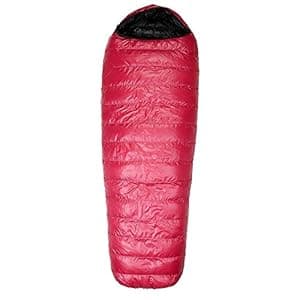 B015JYZCMC Price: $545 Score: 9.615 Category: Sports Rating: 5 Votes: 2 Find similar productsWestern Mountaineering Sycamore MF 25 Degree Sleeping Bag Cranberry 6FT / Left Zip. It's your third day on the Colorado and you've been running rapids for as many days. The Grand Canyon looks different from a raft! It's a special place with an ancient Puebloan ruin just up the draw… If you can climb out of your Western Mountaineering Sycamore MF Down Sleeping Bag early enough you might just see it before breakfast… With plenty of room and a hood just in case, the semirectangular Sycamore MF is made with our 1.2 ounce MicroLite XP to provide that extra margin in weather protection. Filled with 17 oz. of our high lofting down this bag with 5 inches of loft is rated to 25° F. It sports 62 inches of girth at the shoulder and 46 inches at the foot. Not only will it zip to our mummy bags, but the zipper around the foot section lets it open up flat to be used as a comforter. This is the river runners dream! This bag was formerly known as the Hooded Aspen MF . Nothing about the bag has changed except its name. Size: 6ft 0in length Rating: 25° F Loft: 5in Inside Girth (shdr/hip/foot): 62in /59in /46in Fill Wt: 17 oz Total Wt: 2 lb Stuff Size: 8in x15in. | 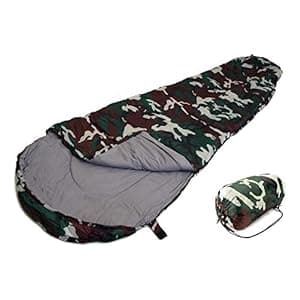 B008L0YTGC Availability: Currently unavailable Score: 9.434 Category: Sports Rating: 3.5 Votes: 13 Find similar productsSLEEPING BAG - MUMMY Type 8' Foot CAMOUFLAGE USA CAMMO 20+ Degrees Carry Bag NEW. BRAND NEW - Full Size CAMOUFLAGE!! Mummy Style Sleeping Bag Colors: - Front and Back: GREEN, BROWN, LIGHT GRAY, BLACK - Inside: GRAY Size: Full Size - 7ft x 2'4 dimensionThe size when packed the carry case is approx 15 x 9 inches and weighs approx 4# pounds. Shell: Polyester Lining: Polyester Filling: Polyester 150g/m2x2(two layer) Temperature rate: 20 degrees and above Excellent for outdoor camping or indoor sleep overs! Heavy duty sleeping bag that will keep you VERY warm in the cold! . |
 B0009J1F10 Availability: Currently unavailable Score: 9.346 Category: Sports Rating: 3.7 Votes: 4 Find similar productsSlumberjack Aurora 20 Degree Mummy Sleeping Bag (Regular, Right Zip). Amazon.com Sleep comfortably and warmly with the three-season Slumberjack Aurora mummy-style sleeping bag, which is temperature rated to 20 degrees Fahrenheit. The full-length draft tube keeps cold air from penetrating through the full-length, anti-snag zipper. It offers a double-layer offset construction with a differential cut that allows insulation to loft fully for maximum warmth. The flip-over hood allows you to turn the hood inside out, giving you the option for a flat hood or a fully contoured hood, while the trapezoid foot box provides space in which the feet remain in a natural position for better comfort. Other features include an adjustable storm collar and easy-grab pull tabs. The regular bag has a maximum user height of 5 foot, 11 inches; the long bag has a maximum height of 6 foot, 5 inches. It's filled with Polarguard 3D, which has a finer filament denier than standard Polarguard, making it softer and more compressible for added warmth. Unlike cut staple insulation, Polarguard 3D will not mat, clump or pull apart, eliminating the chances of thin or cold spots developing in the insulation. In an independent study of sleeping bags, comparing Polarguard 3D, down, and a premium cut staple insulation, down lost the most insulation. In testing wet sleeping bags, Polarguard 3D proved to be 12 percent warmer than cut staple, and 28 percent warmer than wet down. Why a Mummy Bag? Mummy-style sleeping bags take up less room and weigh the least. They're also smaller in size than rectangular bags, thus decreasing the amount of space around the body. The less space that needs to be warmed by body heat, the warmer the bag will be. Specifications--Regular: Size: 32 by 82 inches Size: 32 by 82 inches Carry size: 9 by 20 inches Carry size: 9 by 20 inches Fill weight: 2 pounds Fill weight: 2 pounds Carry weight: 3 pounds, 4 ounces Carry weight: 3 pounds, 4 ounces Shell: Polyester Honeycomb Ripstop Shell: Polyester Honeycomb Ripstop Liner: Polyester Taffeta Specifications--Long:Size: 34 by 86 inches Carry size: 9 by 20 inches Fill weight: 2 pounds, 9 ounces Carry weight: 3 pounds, 9 ounces Shell: Polyester Honeycomb Ripstop Liner: Polyester Taffeta About Slumberjack Slumberjack has been known as the outdoor sleep expert or for more than 50 years. They have built this reputation for being the best by building the finest quality sleeping systems in the world, while addressing the needs of virtually all market segments from backpacking and trekking to family camping and hunting and fishing. With over five decades of experience in the industry, Slumberjack has taught everyone that roughing it doesn't have to mean being uncomfortable. That's why their selection of sleeping bags, self-inflating mats, self-inflating chairs, camp furniture, bivy shelters, and accessories offers a choice for every season and a fit for nearly every size and shape.Amazon.com Sleeping Bag Guide Sleep Well: Finding the Right Sleeping Bag Sleeping bag technology has come a long way from the days of cowboy bedrolls. These days, there are a number of high-tech materials and designs available to keep you warm during the coldest outings. Here's a short list of things to keep in mind when you're shopping for a bag:Buy for Cold It's a safe bet that on at least one of your adventures, the nighttime temperature will drop unexpectedly. That's why it's smart to buy a bag that's rated for the lowest possible temperature you expect to face on your camping and backpacking trips. For summer trips, a bag rated at +35 degrees or higher will likely do the trick. If you like to camp in higher elevations in the summer, or if spring and fall outings are in your future, consider bags rated from +10 to +35. Winter adventurers should look for bags in the -10 to +10 range, while those on serious winter alpine climbs and expeditions will want a bag rated lower than -10. Keep in mind that sleeping bag manufacturers' temperature ratings only estimate the minimum temperature at which the bag will provide warmth. Take these numbers with a grain of salt, as different folks generate different amounts of heat when they sleep. If you're the type who likes to pile on the covers even on warmer nights, go for a bag that's rated ten degrees colder. The opposite is true for warm sleepers--a 35-degree bag will probably work for you on a 25-degree night.Goose or No Goose? The most important component of any sleeping bag is its insulating material. Modern sleeping bags offer two choices: goose down or synthetic. While both materials have advantages and disadvantages, down bags are considered superior because of their phenomenal warmth-to-weight and warmth-to-bulk ratios. While providing great insulation, down is extremely compressible and light. There's a reason why geese can fly and stay warm through the winter! Down also boasts great long-term durability and will typically retain its insulating properties after years of use. All of that said, there are many high-quality synthetic bags on the market and synthetic materials are getting better all the time. While a synthetic bag will weigh somewhat more than a down bag at an equivalent temperature rating, synthetic bags perform better when wet. (Yes, the Achilles heel of down is that it loses all insulating properties when wet.) If your trips take you to wet climates, you may want to consider a synthetic bag for this reason alone. Keep in mind, too, that many people are allergic to down--synthetic bags are non-allergenic. Finally, down is considerably more expensive than synthetic, which might tip the balance for adventurers on a budget.Bags for All Shapes Sleeping bags come in two basic shapes that reflect their intended use. Mummy-shaped bags offer the best warmth because they conform to the body's contours. This minimizes the amount of body heat the body must put out to maintain a constant temperature. Many mummy bags are offered in women-specific shapes and sizes, as well. Rectangular bags, while they do offer more room to toss and turn, are less thermally efficient because they contain more open air space. Also, they are typically heavier than mummy bags, and are generally not offered with down insulation, making them best suited for car camping or short backpacking trips.Pad Yourself No matter what kind of bag you choose, a sleeping pad is a required accessory. Not only do they provide much-needed comfort when sleeping on the ground, pads also offer crucial warmth for your backside, as the weight of your body compresses--and renders virtually useless--the sleeping bag insulation that lies beneath you. Liner: Polyester Taffeta Specifications--Long: Size: 34 by 86 inches Size: 34 by 86 inches Carry size: 9 by 20 inches Carry size: 9 by 20 inches Fill weight: 2 pounds, 9 ounces Fill weight: 2 pounds, 9 ounces Carry weight: 3 pounds, 9 ounces Carry weight: 3 pounds, 9 ounces Shell: Polyester Honeycomb Ripstop Shell: Polyester Honeycomb Ripstop Liner: Polyester Taffeta About Slumberjack Slumberjack has been known as the outdoor sleep expert or for more than 50 years. They have built this reputation for being the best by building the finest quality sleeping systems in the world, while addressing the needs of virtually all market segments from backpacking and trekking to family camping and hunting and fishing. With over five decades of experience in the industry, Slumberjack has taught everyone that roughing it doesn't have to mean being uncomfortable. That's why their selection of sleeping bags, self-inflating mats, self-inflating chairs, camp furniture, bivy shelters, and accessories offers a choice for every season and a fit for nearly every size and shape.Amazon.com Sleeping Bag Guide Sleep Well: Finding the Right Sleeping Bag Sleeping bag technology has come a long way from the days of cowboy bedrolls. These days, there are a number of high-tech materials and designs available to keep you warm during the coldest outings. Here's a short list of things to keep in mind when you're shopping for a bag:Buy for Cold It's a safe bet that on at least one of your adventures, the nighttime temperature will drop unexpectedly. That's why it's smart to buy a bag that's rated for the lowest possible temperature you expect to face on your camping and backpacking trips. For summer trips, a bag rated at +35 degrees or higher will likely do the trick. If you like to camp in higher elevations in the summer, or if spring and fall outings are in your future, consider bags rated from +10 to +35. Winter adventurers should look for bags in the -10 to +10 range, while those on serious winter alpine climbs and expeditions will want a bag rated lower than -10. Keep in mind that sleeping bag manufacturers' temperature ratings only estimate the minimum temperature at which the bag will provide warmth. Take these numbers with a grain of salt, as different folks generate different amounts of heat when they sleep. If you're the type who likes to pile on the covers even on warmer nights, go for a bag that's rated ten degrees colder. The opposite is true for warm sleepers--a 35-degree bag will probably work for you on a 25-degree night.Goose or No Goose? The most important component of any sleeping bag is its insulating material. Modern sleeping bags offer two choices: goose down or synthetic. While both materials have advantages and disadvantages, down bags are considered superior because of their phenomenal warmth-to-weight and warmth-to-bulk ratios. While providing great insulation, down is extremely compressible and light. There's a reason why geese can fly and stay warm through the winter! Down also boasts great long-term durability and will typically retain its insulating properties after years of use. All of that said, there are many high-quality synthetic bags on the market and synthetic materials are getting better all the time. While a synthetic bag will weigh somewhat more than a down bag at an equivalent temperature rating, synthetic bags perform better when wet. (Yes, the Achilles heel of down is that it loses all insulating properties when wet.) If your trips take you to wet climates, you may want to consider a synthetic bag for this reason alone. Keep in mind, too, that many people are allergic to down--synthetic bags are non-allergenic. Finally, down is considerably more expensive than synthetic, which might tip the balance for adventurers on a budget.Bags for All Shapes Sleeping bags come in two basic shapes that reflect their intended use. Mummy-shaped bags offer the best warmth because they conform to the body's contours. This minimizes the amount of body heat the body must put out to maintain a constant temperature. Many mummy bags are offered in women-specific shapes and sizes, as well. Rectangular bags, while they do offer more room to toss and turn, are less thermally efficient because they contain more open air space. Also, they are typically heavier than mummy bags, and are generally not offered with down insulation, making them best suited for car camping or short backpacking trips.Pad Yourself No matter what kind of bag you choose, a sleeping pad is a required accessory. Not only do they provide much-needed comfort when sleeping on the ground, pads also offer crucial warmth for your backside, as the weight of your body compresses--and renders virtually useless--the sleeping bag insulation that lies beneath you. Liner: Polyester Taffeta About Slumberjack Slumberjack has been known as the outdoor sleep expert or for more than 50 years. They have built this reputation for being the best by building the finest quality sleeping systems in the world, while addressing the needs of virtually all market segments from backpacking and trekking to family camping and hunting and fishing. With over five decades of experience in the industry, Slumberjack has taught everyone that roughing it doesn't have to mean being uncomfortable. That's why their selection of sleeping bags, self-inflating mats, self-inflating chairs, camp furniture, bivy shelters, and accessories offers a choice for every season and a fit for nearly every size and shape. Amazon.com Sleeping Bag Guide Sleep Well: Finding the Right Sleeping Bag Sleeping bag technology has come a long way from the days of cowboy bedrolls. These days, there are a number of high-tech materials and designs available to keep you warm during the coldest outings. Here's a short list of things to keep in mind when you're shopping for a bag: Buy for Cold It's a safe bet that on at least one of your adventures, the nighttime temperature will drop unexpectedly. That's why it's smart to buy a bag that's rated for the lowest possible temperature you expect to face on your camping and backpacking trips. For summer trips, a bag rated at +35 degrees or higher will likely do the trick. If you like to camp in higher elevations in the summer, or if spring and fall outings are in your future, consider bags rated from +10 to +35. Winter adventurers should look for bags in the -10 to +10 range, while those on serious winter alpine climbs and expeditions will want a bag rated lower than -10. Keep in mind that sleeping bag manufacturers' temperature ratings only estimate the minimum temperature at which the bag will provide warmth. Take these numbers with a grain of salt, as different folks generate different amounts of heat when they sleep. If you're the type who likes to pile on the covers even on warmer nights, go for a bag that's rated ten degrees colder. The opposite is true for warm sleepers--a 35-degree bag will probably work for you on a 25-degree night. Goose or No Goose? The most important component of any sleeping bag is its insulating material. Modern sleeping bags offer two choices: goose down or synthetic. While both materials have advantages and disadvantages, down bags are considered superior because of their phenomenal warmth-to-weight and warmth-to-bulk ratios. While providing great insulation, down is extremely compressible and light. There's a reason why geese can fly and stay warm through the winter! Down also boasts great long-term durability and will typically retain its insulating properties after years of use. All of that said, there are many high-quality synthetic bags on the market and synthetic materials are getting better all the time. While a synthetic bag will weigh somewhat more than a down bag at an equivalent temperature rating, synthetic bags perform better when wet. (Yes, the Achilles heel of down is that it loses all insulating properties when wet.) If your trips take you to wet climates, you may want to consider a synthetic bag for this reason alone. Keep in mind, too, that many people are allergic to down--synthetic bags are non-allergenic. Finally, down is considerably more expensive than synthetic, which might tip the balance for adventurers on a budget. Bags for All Shapes Sleeping bags come in two basic shapes that reflect their intended use. Mummy-shaped bags offer the best warmth because they conform to the body's contours. This minimizes the amount of body heat the body must put out to maintain a constant temperature. Many mummy bags are offered in women-specific shapes and sizes, as well. Rectangular bags, while they do offer more room to toss and turn, are less thermally efficient because they contain more open air space. Also, they are typically heavier than mummy bags, and are generally not offered with down insulation, making them best suited for car camping or short backpacking trips. Pad Yourself No matter what kind of bag you choose, a sleeping pad is a required accessory. Not only do they provide much-needed comfort when sleeping on the ground, pads also offer crucial warmth for your backside, as the weight of your body compresses--and renders virtually useless--the sleeping bag insulation that lies beneath you. | 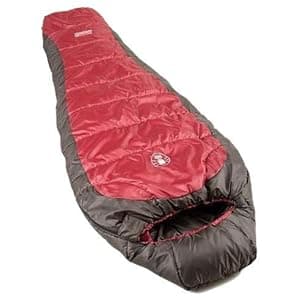 B0001BW0PQ Availability: Currently unavailable Score: 9.259 Category: Sports Rating: 3.7 Votes: 143 Find similar productsColeman Taos Extreme-Weather Mummy Bag. Product Description The Coleman Taos Extreme-Weather Mummy Bag is a great choice for cold-weather sleeping. Featuring 38 ounces of Coletherm insulation, the Taos keeps you comfortable down to 25°F. The double-batt, offset quilt construction eliminates potential cold spots, while the bag's semi-sculpted hood surrounds your head with warmth. The full-length draft tube locks out chilly drafts, while a 2-way zipper provides maximum ventilation when you want it. The Taos bag is designed with a box-foot silhouette to give your feet extra wiggle room. Stuff sack included. Commercial machine washable. 5-year limited warranty. Amazon.com Stay warm and comfortable on a chilly fall evening with the Coleman Taos mummy sleeping bag. The Taos, which offers a temperature rating down to 25 degrees F, is filled with 38 ounces of Coletherm insulation. This allows for a greater loft--a measure of the amount of space the insulation occupies and the amount of air the insulation can trap. The bag also offers several other features to fight the chill, including a double-batt, offset quilt construction that eliminates potential cold spots, a semi-sculpted hood that surrounds the head with warmth, and a full-length, insulated draft tube that locks out drafts. And to help the bag last through the years, Coleman added a durable polyester and diamond ripstop cover that resists tears. Coleman's ComfortSmart technology includes such features as a ThermoLock zipper, FiberLocked insulation, and a ZipPlow tool. Coleman's ComfortSmart Technology The best way to relax after a big day of camping adventures is to wrap up in a warm sleeping bag and drift off to peaceful sleep. Coleman is so committed to making sure you have reliable and cozy bedding that it backs its Taos sleeping bag with its ComfortSmart guarantee--a promise that the bag will deliver all-night comfort. Coleman can make this promise thanks to its third-party, scientifically tested temperature ratings; engineering features that promote thermal efficiency and durability; and the creation of different bag sizes to ensure a comfortable fit. Coleman developed a number of warmth-enhancing features for its ComfortSmart system. The FiberLock insulation tailoring, for example, is designed to prevent insulation from shifting in the bag and developing thin or cold spots. By keeping the insulation in place, Coleman also lengthens the life of the bag. The ThermoLock feature contributes by reducing heat loss (and cold seepage) through zipper coils. This sets up an additional insulating barrier to stand guard along the length of the zipper, ensuring that the snug feeling campers get when zipping up the bag stays with them through the night. Coleman also added such features as a ZipPlow zipper tool, which prevents zipper snags by channeling fabric away from the zipper coils, and Zipper Glide tailoring, which makes it silky smooth to zip the bag at the corners. Sizing The Taos is a tall sleeping bag, with dimensions of 82 by 32 inches. As a result, the bag fits most people up to 6 feet 2 inches tall. And despite the mummy bag construction, Coleman added a box-foot silhouette to give your feet extra wiggle room. Also equipped with a two-way zipper for maximum ventilation, the Taos comes with a stuff sack and carries a five-year warranty. About Coleman More than 100 years ago, a young man with an entrepreneurial spirit and a better idea began manufacturing lanterns in Wichita, Kansas. His name was W.C. Coleman, and the company he founded would change life in America. A man plagued with such poor vision he sometimes had to ask classmates to read aloud to him, Coleman saw a brilliant light in 1900 in a drugstore window that stopped him in his tracks. He inquired about the light inside and discovered he was able to read even the small print on a medicine bottle by the illumination. The lamps had mantles, not wicks, and were fueled by gasoline under pressure instead of coal oil. Soon afterward, Coleman started a lighting service that offered a no light, no pay clause--a big step forward for merchants who were burned by inferior products that rarely worked--and drew substantial interest from businesses that wanted to keep their lights on after dark. In the ensuing years, Coleman expanded its product line well beyond lanterns. The company's current catalog is thick with products that make spending time outdoors a pleasure. There are coolers that keep food and drinks cold for days on end, comfortable airbeds that won't deflate during the night, a complete line of LED lights that last for years, powerful portable grills that cook with an authentic open-grill flame, and much, much more. Coleman has truly fashioned much of our outdoor camping experience, and expects to do so for generations to come. Amazon.com Sleeping Bag Guide Sleep Well: Finding the Right Sleeping Bag Sleeping bag technology has come a long way from the days of cowboy bedrolls. These days, there are a number of high-tech materials and designs available to keep you warm during the coldest outings. Here's a short list of things to keep in mind when you're shopping for a bag: Buy for Cold It's a safe bet that on at least one of your adventures, the nighttime temperature will drop unexpectedly. That's why it's smart to buy a bag that's rated for the lowest possible temperature you expect to face on your camping and backpacking trips. For summer trips, a bag rated at +35 degrees F or higher will likely do the trick. If you like to camp in higher elevations in the summer, or if spring and fall outings are in your future, consider bags rated from +10 to +35 degrees F. Winter adventurers should look for bags in the -10 to +10 degrees F range, while those on serious winter alpine climbs and expeditions will want a bag rated lower than -10 degrees F. Keep in mind that sleeping bag manufacturers' temperature ratings only estimate the minimum temperature at which the bag will provide warmth. Take these numbers with a grain of salt, as different folks generate different amounts of heat when they sleep. If you're the type who likes to pile on the covers even on warmer nights, go for a bag that's rated 10 degrees colder. The opposite is true for warm sleepers--a 35-degree bag will probably work for you on a 25-degree night. Goose or No Goose? The most important component of any sleeping bag is its insulating material. Modern sleeping bags offer two choices: goose down or synthetic. While both materials have advantages and disadvantages, down bags are considered superior because of their phenomenal warmth-to-weight and warmth-to-bulk ratios. While providing great insulation, down is extremely compressible and light. There's a reason why geese can fly and stay warm through the winter. Down also boasts great long-term durability and will typically retain its insulating properties after years of use. All of that said, there are many high-quality synthetic bags on the market, and synthetic materials are getting better all the time. While a synthetic bag will weigh somewhat more than a down bag at an equivalent temperature rating, synthetic bags perform better when wet. (Yes, the Achilles heel of down is that it loses all insulating properties when wet.) If your trips take you to wet climates, you may want to consider a synthetic bag for this reason alone. Keep in mind, too, that many people are allergic to down, while synthetic bags are non-allergenic. Finally, down is considerably more expensive than synthetic, which might tip the balance for adventurers on a budget. Bags for All Shapes Sleeping bags come in two basic shapes that reflect their intended use. Mummy-shaped bags offer the best warmth because they conform to the body's contours. This minimizes the amount of body heat the body must put out to maintain a constant temperature. Many mummy bags are offered in women-specific shapes and sizes, as well. Rectangular bags, while they do offer more room to toss and turn, are less thermally efficient because they contain more open air space. Also, they are typically heavier than mummy bags, and are generally not offered with down insulation, making them best suited for car camping or short backpacking trips. Pad Yourself No matter what kind of bag you choose, a sleeping pad is a required accessory. Not only do they provide much-needed comfort when sleeping on the ground, pads also offer crucial warmth for your backside, as the weight of your body compresses--and renders virtually useless--the sleeping bag insulation that lies beneath you. |
 B0068BEYRA Availability: Currently unavailable Score: 9.091 Category: Sports Rating: 4 Votes: 1 Find similar productsSlumberjack Lone Pine 40 Degree Regular Right Hand Zip Sleeping Bag. The Lone Pine 40 sleeping bag is the lightest, most compressible sleeping bag in the Slumberjack line of sleeping bags. *Keeps you warm by utilizing two-layer, off-set quilt and differential cut construction. *Keeps cool air at bay with a zipper draft tube with anti-snag zipper protection. *Fleece-lined hood provides added warmth and comfort. *Flip Over Hood allows user to flip the hood inside out for the option of a flat or contoured hood. *Trapezoidal Foot Box provides space so feet are comfortable in their natural position. *Vented Foot Box zips open for more comfort in warmer conditions. *Includes stuff Sack. Size: Regular: 80 x 31 Long: 86 x 33 Stuffed Size: Regular: 6 x 14 Long: 6 x 15 Fill Weight: Regular: 19oz Long: 21oz Shell Material: Polyester Ripstop Liner Material: Polyester Taffeta. |  B013JCZPC8 Availability: Currently unavailable Score: 8.850 Category: Sports Rating: 4.1 Votes: 113 Find similar productsROVOR Buhl 45 Degree Backpacking Sleeping Bag. Take part in the ultimate adventure with the Rovor Buhl 45 Degree Mummy Backpacking Sleeping Bag Lifetime Warranty *Like all Rovor Products, the Buhl Backpacking Sleeping Bag has a lifetime warranty against manufacturer defects, and every product is tested to the highest quality standards. If there are any issues that arise, just send it to Rovor or any Rovor retailer for a hassle free replacement. Fits Tall Adults & Teens *This is a perfect sleeping bag for adults and tall teens, but can also be used as a kids sleeping bag. It is among the tallest on the market at 90 inches in length and has a recommended maximum height of 7 feet. Heavy Duty & Built to Last *Our Mummy Sleeping Bag is outfitted with YKK zippers for no-snag performance from the world’s leading zipper brand, and a premium reinforced mini-diamond ripstop polyester shell that is lightweight without sacrificing durability. Measurements & Weight: The Buhl Lightweight Sleeping Bag measures 90 inches long, 32 inches wide at the shoulders, and 21 inches wide at the foot. When packed in the included stuff sack the Buhl measures 12 inches long with a 7-inch diameter (uncompressed) and weighs 2.5 pounds. Temperature Rating: Comfort: 45°F. A typical person will have a comfortable nights rest at temperatures at or above 45°F. Extreme: 14°F. The minimum temperature this bag may be used for up to 6 hours to avoid exposure is 14°F. Both ratings are done assuming you are wearing thermal underwear, a warm hat, and using a 1-inch sleeping pad. You will sleep comfortably at or above the comfort rating. We don't recommend using the bag in temps below that. You can use the sleeping bag to prevent exposure for up to six hours at the extreme rating. The bag should never be used in temperatures below the extreme rating. |
 B077NLVNGC Availability: Currently unavailable Score: 8.850 Category: Sports Rating: 4.7 Votes: 34 Find similar productsALPS Mountaineering Sleeping-Bags ALPS Mountaineering Drifter Sleeping Bag. The drifter series sleeping bags are constructed of a durable, polyester ripstop shell, lined with a soft, smooth brushed polyester and filled with synthetic techloft silver insulation. Techloft silver insulation consists of multiple denier staple-length fibers that have a SILICON zed finish for maximum insulation, loft, and compactness. The bags feature two-layer offset construction with an insulated chest and zipper baffle to lock heat in. The drifter offers a unique, tapered-rectangle design which allows for more wiggle room than a Mummy bag, and more heat retention than a traditional rectangle bag - providing you the best of both worlds. If you are camping as a couple and want to Snuggle up close, the drifter bag design allows two bags to zip together creating a double bag. Even better yet, the two bags can be the same or different temperature ratings to maximize comfort for each person. The design also features a second side zipper allowing you to fold back the top for home-like comfort or allowing multiple venting options when two bags are zippered together. A standard stuff sack is included for easy transport and storage. The versatility, not to mention to eye-catching colors, make the drifter a must-have for your next camping trip. |  B001H55L06 Availability: Currently unavailable Score: 8.772 Category: Sports Rating: 4.5 Votes: 5 Find similar productsColeman Exponent Tasman X 20-Degree Hybrid Sleeping Bag. Coleman Exponent Tasman sleeping bags bridge the gap between comfort and warmth by combining the roominess of a rectangular bag with the performance of a mummy bag. Measuring 85\ long by 33\ wide, the Tasman X 20 keeps you comfortable down to 20-degrees F. The Tasman sleeping bag has a polyester diamond ripstop shell and feature the PerformX liner with moisture-wicking technology. The fill is Coletherm synthetic fiber, applied in a double-batt, offset-quilt construction to maximize warmth. Ground-level side seams, full-length insulated draft tubes and insulated zipper gussets all work to keep warm air in and cold air out. The fully-sculpted hood features Coleman's innovative “Which One\ cinch cords for easy hood adjustment: one for adjusting the top of the hood, and another for adjusting the bottom. The two cords are colored and shaped differently, so it's easy to adjust the one you want, even in the dark. For comfort, the Tasman sleeping bag has a roomy, oval-shaped foot section. A 2-way locking zipper allows ventilation of the foot area. Four-way compression stuff sack included. Pack weight: 4 pounds 11 ounces. Pack size: 9.5\x16.5\. |