E-commerce Search Demo
AI Assisted Filters
Parameters
Query:
Category filters: All
AI Assist: ON
Page: 1
Products
Time taken: 4 Max score: 1000.000 Total hits: 200 Full time: 0.0 s
Showing 1-10 of 200 products
 B00LEQUOOG Availability: Currently unavailable Score: 1000.000 Category: Sports Rating: 5 Votes: 1 Find similar productsRawlings GG Gamer Series: GGDJ2 Right Hand Thrower. Derek Jeter will forever define a generation of baseball greatness. Drafted by the New York Yankees out of high school in 1992, Jeter has been part of the Rawlings family well before his first days donning the fabled Yankee pinstripes. Throughout his illustrious, 20-year career, Jeter personified the Rawlings Brand through his heroics on the field and his community efforts off of it. From a talent standpoint, Jeter is one of the top players of his generation, and one of the most decorated shortstops of all time. The 13-time All-Star and 5-time Rawlings Gold Glove Award? winner, Captain Clutch delivered time and time again, especially in the postseason, leading the Yankees to five World Series titles. As he enters his final season, Derek Jeter and Rawlings will always be linked by award-winning web gems and an unrivaled commitment to winning. Rawlings salutes and celebrates Jeter's extraordinary career with the re-release of his iconic PRODJ2 and the commemorative and limited-edition PRODJ2W DJ Final Season glove, featuring a navy-pinstriped Oval. Along with the game day replica featured in this GG Gamer Series.Additional FeaturesBasket WebConventional BackLimited Edition. | 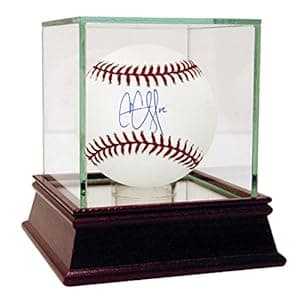 B00MBSN9NO Availability: Currently unavailable Score: 5.747 Category: Sports Rating: 1 Votes: 1 Find similar productsMLB New York Yankees CC Sabathia Signed Baseball. Yankees' Superstar Pitcher CC Sabetha has personally hand-signed this MLB Baseball-C.C. Sabetha was the biggest free agent pitcher on the market in 2009 and the New York Yankees made it there utmost priority to land the 6-7, 330 lb. power left-handed pitcher to lead their rotation. Sabetha signed with New York and brought a wealth of experience with him after guiding the Cleveland Indians and Milwaukee Brewers to postseason births in his previous two seasons. The 2007 AL Cy Young Award winner (19-7, 3.21 ERA and 209 KO) came to New York and led a revamped rotation and lineup back to the World Series, going 3-0 with a 1.19 ERA and 20 Ks in the ALDS and ALCS and earned the 2009 ALCS MVP honor in the process. This CC Sabetha is guaranteed authentic and includes a MLB Hologram. |
 B07DQZKZRV Availability: Currently unavailable Score: 5.051 Category: Sports Rating: 4.3 Votes: 217 Find similar productsRawlings MLB Stadium Baseball (ALL TEAM OPTIONS). Rawlings new MLB stadium Baseball is a collectible Baseball featuring hi-gloss stadium image and embossed team logo. Features stadium established date and Duel team color stitching, and packaged in UV- protected Baseball display case. | 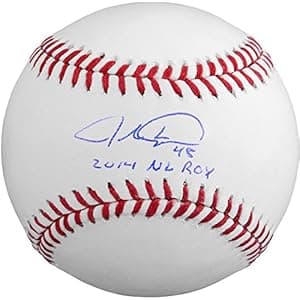 B00XZ1VP9Q Availability: Currently unavailable Score: 5.000 Category: Sports Rating: 5 Votes: 1 Find similar productsJacob deGrom Autographed Baseball with 2014 ROY Inscription - Autographed Baseballs. This baseball has been personally hand-signed by Jacob deGrom with the inscription 2014 ROY. It has been obtained under the auspices of the MLB Authentication Program and can be verified by its numbered hologram at MLB It also comes with an individually numbered, tamper-evident hologram from Fanatics Authentic. To ensure authenticity, the hologram can be reviewed online. This process helps to ensure that the product purchased is authentic and eliminates any possibility of duplication or fraud. Jacob deGrom memorabilia. New York Mets memorabilia. |
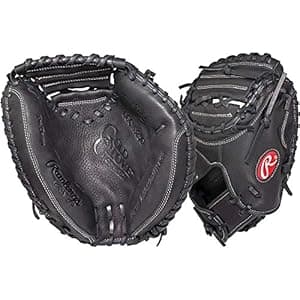 B004RBED9W Availability: Currently unavailable Score: 4.739 Category: Sports Rating: 4.7 Votes: 7 Find similar productsRawlings GGCM325G Gold Baseball Glove Gamer 32.5 inch Catcher's Mitt. . | 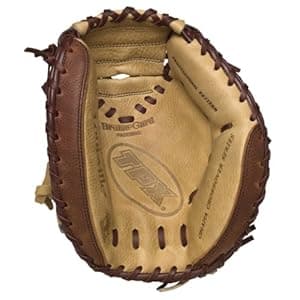 B001Q3LEXW Availability: Currently unavailable Score: 4.717 Category: Sports Rating: 5 Votes: 1 Find similar productsLouisville Slugger OCXCM Omaha Crossover Boxster Catcher's Mitt (31-Inch). Product Description 31 Circumference intermediate catcher's mitt specifically designed for the select player. The Boxster design creates larger pocket with easier closure. The mitt has a closed two-piece web and conventional open back. Amazon.com Designed for the player who is crossing over from youth baseball to more competitive levels, the Louisville Slugger OCXCM Crossover catcher's mitt is well built and forgiving. The 31-inch mitt is made of top-grade, oil-treated Landslide leather, which offers a superior fit and a rich, substantial feel. The glove is also outfitted with multiple types of padding, including Bruise-gard padding that cushions the hand from stinging throws. And players will love the Omaha Crossover's Boxster design, which creates a larger pocket with an easier closure. The Boxster pocket makes it a breeze to quickly snag throws and retrieve the ball in a single unified motion. Other features include dye-through lacing for added durability, a closed two-piece web, a conventional open back, and professional-style patterns. About Louisville Slugger In many ways, the rich 120-year history of the Louisville Slugger baseball bat began in the talented hands of 17-year-old John A. Bud Hillerich. Bud's father, J.F. Hillerich, owned a woodworking shop in Louisville in the 1880s when Bud began working for him. Legend has it that Bud slipped away from work one afternoon in 1884 to watch the Louisville Eclipse, the town's major league team. After Pete Browning--the Eclipse's star who was mired in a hitting slump--broke his bat, Bud invited him to his father's shop to make a new one. With Browning at his side giving advice, Bud handcrafted a new bat from a long slab of wood. Browning got three hits using the bat the next day. Browning told his teammates, which began a surge of professional ballplayers visiting the Hillerich shop. Although J.F. Hillerich had little interest in making bats, Bud persisted, eventually registering the name Louisville Slugger with the U.S. patent office in 1894. In the early 1900s, the company was one of the first to use a sports endorsement as a marketing strategy, paying Hall of Famer Honus Wagner to use his name on a bat. By 1923, Louisville Slugger was the selling more bats than any other bat maker in the country, with such famed clients as Babe Ruth, Ty Cobb, and Lou Gehrig. In the ensuing years, the company has sold more than 100 million bats, and 60 percent of all Major League players currently use Louisville Sluggers. The company now sells far more than bats, including fielding and batting gloves, helmets, catchers' gear, equipment bags, training aids, and accessories. Buying Guide Amazon.com Baseball and Softball Glove Guide Playing the Field Baseball and softball gloves are specially designed to suit the needs of a given field position, with each style of glove boasting unique features to improve a player's performance at his or her position. The following is a brief summary of each glove's characteristics: Catcher: No finger channels, with heavy palm padding and overall reinforcements to reduce the sting of repeatedly catching pitchers' throws Catcher: No finger channels, with heavy palm padding and overall reinforcements to reduce the sting of repeatedly catching pitchers' throws First Base: Also lacks finger channels, but with less padding that a catcher's mitt, with added length to help catch infield throws and shallow pocket, enabling quick ball retrieval First Base: Also lacks finger channels, but with less padding that a catcher's mitt, with added length to help catch infield throws and shallow pocket, enabling quick ball retrieval Infield: Five-fingered glove has shallow pocket for fast ball retrieval, with nine- to 10-inch youth sizes and 10.5- to 11.5-inch adult sizes, and softball infield gloves having a deeper pocket to accept the larger ball Second base players require smaller gloves to balance control with the need to make quick throws Shortstops use a mid-sized glove for ground balls and quick throws Third base players need a larger glove for maximum catching power Outfield: Glove is longer to provide extended reach, with a deep pocket to handle high-lofting balls, and sizes range from 12 inches and up for adults and 11 inches for youth players Softball Gloves: The characteristics, by position, of softball gloves are typically similar to their baseball counterparts, with softball gloves having more length and deeper pockets to handle the larger ball Anatomy of a Glove Gloves are designed to perform a relatively simple task--catch a ball. The quality of materials and craftsmanship that can go into a building a glove, however, can be surprising. Below is an overview of a glove's components and how each helps optimize your defensive game: Pocket: Pocket depth is determined by player position, with shallower pockets helping infielders quickly retrieve and throw the ball, and outfielders' pocket depth aiding in capturing a ball on the fly. Softball players also need deeper pockets to catch the larger ball. Webbing: The preferred webbing pattern is partly determined by field position and partly by player preference. Generally, open webbing helps infielders quickly retrieve the ball, closed or tightly woven webbing gives outfielders and third basemen extra support, and closed webbing allows pitchers to hide the ball from the batter. Backs: The back of a glove, or the part that goes across the top of your hand, can either be closed or open, which is largely a matter of player preference. Some infielders find an open back to be more flexible and forgiving, while outfielders may like a closed back with finger hole for added support. Wrist Adjustment: Some gloves include fit systems, or wrist adjustments, to help keep the glove tightly affixed to a player's hand. The most popular closures are buckles, D-rings, lacing, and Velcro. Padding: How padded a glove's pocket is depends on position, with catcher being the most heavily padded. In recent years, many manufacturers have begun to add padding to other position gloves to reduce palm shock. Materials: By and large, gloves are constructed using one of three materials--leather, treated leather, or synthetic--with the differences relating to feel and durability. Leather: Most high-end gloves are made of leather, which offers optimal feel and durability, with leather quality being a significant cost driver Treated Leather: Leather material is softened and strengthened during production for quicker break-in, better durability, and lower maintenance Synthetic: A lower-cost alternative to leather that offers reduced durability and responsiveness, and is a good option for beginning players Fits Like a... As mentioned above, age and position are the most significant factors in selecting a proper glove size. Outfielders need larger gloves with deeper pockets for maximum catchability, while infield gloves are smaller and have shallower pockets for optimal control and speedy ball removal. Some pitchers opt for infield gloves that are slightly larger than standard, yet small and shallow enough for rapid fielding and throwing. Most younger players will benefit from youth-sized gloves that help with control, and it's a good idea to resist the temptation to buy a larger glove the child will grow into. The tables below offer a general guideline for proper glove size by sport, position, and age. Baseball Glove Size Age Position Glove Size Under 8 Infield 9 Under 8 Outfield 11 9-13 Infield 9-10 9-13 Outfield 11-12 13 and older Infield 10.5-11.5 13 and older Outfield 12-12.75 Softball Glove Size Age Position Glove Size 6 and under All 9-10 7-9 All 10-11.5 10-14 Infield 11.5-12.5 10-14 Outfield 12-13 15 and older Infield 12-13 15 and older Outfield 12.5-14 Infield: Five-fingered glove has shallow pocket for fast ball retrieval, with nine- to 10-inch youth sizes and 10.5- to 11.5-inch adult sizes, and softball infield gloves having a deeper pocket to accept the larger ball Second base players require smaller gloves to balance control with the need to make quick throws Second base players require smaller gloves to balance control with the need to make quick throws Shortstops use a mid-sized glove for ground balls and quick throws Shortstops use a mid-sized glove for ground balls and quick throws Third base players need a larger glove for maximum catching power Third base players need a larger glove for maximum catching power Outfield: Glove is longer to provide extended reach, with a deep pocket to handle high-lofting balls, and sizes range from 12 inches and up for adults and 11 inches for youth players Outfield: Glove is longer to provide extended reach, with a deep pocket to handle high-lofting balls, and sizes range from 12 inches and up for adults and 11 inches for youth players Softball Gloves: The characteristics, by position, of softball gloves are typically similar to their baseball counterparts, with softball gloves having more length and deeper pockets to handle the larger ball Anatomy of a Glove Gloves are designed to perform a relatively simple task--catch a ball. The quality of materials and craftsmanship that can go into a building a glove, however, can be surprising. Below is an overview of a glove's components and how each helps optimize your defensive game: Pocket: Pocket depth is determined by player position, with shallower pockets helping infielders quickly retrieve and throw the ball, and outfielders' pocket depth aiding in capturing a ball on the fly. Softball players also need deeper pockets to catch the larger ball. Webbing: The preferred webbing pattern is partly determined by field position and partly by player preference. Generally, open webbing helps infielders quickly retrieve the ball, closed or tightly woven webbing gives outfielders and third basemen extra support, and closed webbing allows pitchers to hide the ball from the batter. Backs: The back of a glove, or the part that goes across the top of your hand, can either be closed or open, which is largely a matter of player preference. Some infielders find an open back to be more flexible and forgiving, while outfielders may like a closed back with finger hole for added support. Wrist Adjustment: Some gloves include fit systems, or wrist adjustments, to help keep the glove tightly affixed to a player's hand. The most popular closures are buckles, D-rings, lacing, and Velcro. Padding: How padded a glove's pocket is depends on position, with catcher being the most heavily padded. In recent years, many manufacturers have begun to add padding to other position gloves to reduce palm shock. Materials: By and large, gloves are constructed using one of three materials--leather, treated leather, or synthetic--with the differences relating to feel and durability. Leather: Most high-end gloves are made of leather, which offers optimal feel and durability, with leather quality being a significant cost driver Treated Leather: Leather material is softened and strengthened during production for quicker break-in, better durability, and lower maintenance Synthetic: A lower-cost alternative to leather that offers reduced durability and responsiveness, and is a good option for beginning players Fits Like a... As mentioned above, age and position are the most significant factors in selecting a proper glove size. Outfielders need larger gloves with deeper pockets for maximum catchability, while infield gloves are smaller and have shallower pockets for optimal control and speedy ball removal. Some pitchers opt for infield gloves that are slightly larger than standard, yet small and shallow enough for rapid fielding and throwing. Most younger players will benefit from youth-sized gloves that help with control, and it's a good idea to resist the temptation to buy a larger glove the child will grow into. The tables below offer a general guideline for proper glove size by sport, position, and age. Baseball Glove Size Age Position Glove Size Under 8 Infield 9 Under 8 Outfield 11 9-13 Infield 9-10 9-13 Outfield 11-12 13 and older Infield 10.5-11.5 13 and older Outfield 12-12.75 Softball Glove Size Age Position Glove Size 6 and under All 9-10 7-9 All 10-11.5 10-14 Infield 11.5-12.5 10-14 Outfield 12-13 15 and older Infield 12-13 15 and older Outfield 12.5-14 Softball Gloves: The characteristics, by position, of softball gloves are typically similar to their baseball counterparts, with softball gloves having more length and deeper pockets to handle the larger ball Anatomy of a Glove Gloves are designed to perform a relatively simple task--catch a ball. The quality of materials and craftsmanship that can go into a building a glove, however, can be surprising. Below is an overview of a glove's components and how each helps optimize your defensive game: Pocket: Pocket depth is determined by player position, with shallower pockets helping infielders quickly retrieve and throw the ball, and outfielders' pocket depth aiding in capturing a ball on the fly. Softball players also need deeper pockets to catch the larger ball. Pocket: Pocket depth is determined by player position, with shallower pockets helping infielders quickly retrieve and throw the ball, and outfielders' pocket depth aiding in capturing a ball on the fly. Softball players also need deeper pockets to catch the larger ball. Webbing: The preferred webbing pattern is partly determined by field position and partly by player preference. Generally, open webbing helps infielders quickly retrieve the ball, closed or tightly woven webbing gives outfielders and third basemen extra support, and closed webbing allows pitchers to hide the ball from the batter. Webbing: The preferred webbing pattern is partly determined by field position and partly by player preference. Generally, open webbing helps infielders quickly retrieve the ball, closed or tightly woven webbing gives outfielders and third basemen extra support, and closed webbing allows pitchers to hide the ball from the batter. Backs: The back of a glove, or the part that goes across the top of your hand, can either be closed or open, which is largely a matter of player preference. Some infielders find an open back to be more flexible and forgiving, while outfielders may like a closed back with finger hole for added support. Backs: The back of a glove, or the part that goes across the top of your hand, can either be closed or open, which is largely a matter of player preference. Some infielders find an open back to be more flexible and forgiving, while outfielders may like a closed back with finger hole for added support. Wrist Adjustment: Some gloves include fit systems, or wrist adjustments, to help keep the glove tightly affixed to a player's hand. The most popular closures are buckles, D-rings, lacing, and Velcro. Wrist Adjustment: Some gloves include fit systems, or wrist adjustments, to help keep the glove tightly affixed to a player's hand. The most popular closures are buckles, D-rings, lacing, and Velcro. Padding: How padded a glove's pocket is depends on position, with catcher being the most heavily padded. In recent years, many manufacturers have begun to add padding to other position gloves to reduce palm shock. Padding: How padded a glove's pocket is depends on position, with catcher being the most heavily padded. In recent years, many manufacturers have begun to add padding to other position gloves to reduce palm shock. Materials: By and large, gloves are constructed using one of three materials--leather, treated leather, or synthetic--with the differences relating to feel and durability. Leather: Most high-end gloves are made of leather, which offers optimal feel and durability, with leather quality being a significant cost driver Treated Leather: Leather material is softened and strengthened during production for quicker break-in, better durability, and lower maintenance Synthetic: A lower-cost alternative to leather that offers reduced durability and responsiveness, and is a good option for beginning players Fits Like a... As mentioned above, age and position are the most significant factors in selecting a proper glove size. Outfielders need larger gloves with deeper pockets for maximum catchability, while infield gloves are smaller and have shallower pockets for optimal control and speedy ball removal. Some pitchers opt for infield gloves that are slightly larger than standard, yet small and shallow enough for rapid fielding and throwing. Most younger players will benefit from youth-sized gloves that help with control, and it's a good idea to resist the temptation to buy a larger glove the child will grow into. The tables below offer a general guideline for proper glove size by sport, position, and age. Baseball Glove Size Age Position Glove Size Under 8 Infield 9 Under 8 Outfield 11 9-13 Infield 9-10 9-13 Outfield 11-12 13 and older Infield 10.5-11.5 13 and older Outfield 12-12.75 Softball Glove Size Age Position Glove Size 6 and under All 9-10 7-9 All 10-11.5 10-14 Infield 11.5-12.5 10-14 Outfield 12-13 15 and older Infield 12-13 15 and older Outfield 12.5-14 Materials: By and large, gloves are constructed using one of three materials--leather, treated leather, or synthetic--with the differences relating to feel and durability. Leather: Most high-end gloves are made of leather, which offers optimal feel and durability, with leather quality being a significant cost driver Leather: Most high-end gloves are made of leather, which offers optimal feel and durability, with leather quality being a significant cost driver Treated Leather: Leather material is softened and strengthened during production for quicker break-in, better durability, and lower maintenance Treated Leather: Leather material is softened and strengthened during production for quicker break-in, better durability, and lower maintenance Synthetic: A lower-cost alternative to leather that offers reduced durability and responsiveness, and is a good option for beginning players Fits Like a... As mentioned above, age and position are the most significant factors in selecting a proper glove size. Outfielders need larger gloves with deeper pockets for maximum catchability, while infield gloves are smaller and have shallower pockets for optimal control and speedy ball removal. Some pitchers opt for infield gloves that are slightly larger than standard, yet small and shallow enough for rapid fielding and throwing. Most younger players will benefit from youth-sized gloves that help with control, and it's a good idea to resist the temptation to buy a larger glove the child will grow into. The tables below offer a general guideline for proper glove size by sport, position, and age. Baseball Glove Size Age Position Glove Size Under 8 Infield 9 Under 8 Outfield 11 9-13 Infield 9-10 9-13 Outfield 11-12 13 and older Infield 10.5-11.5 13 and older Outfield 12-12.75 Softball Glove Size Age Position Glove Size 6 and under All 9-10 7-9 All 10-11.5 10-14 Infield 11.5-12.5 10-14 Outfield 12-13 15 and older Infield 12-13 15 and older Outfield 12.5-14 Synthetic: A lower-cost alternative to leather that offers reduced durability and responsiveness, and is a good option for beginning players Fits Like a... As mentioned above, age and position are the most significant factors in selecting a proper glove size. Outfielders need larger gloves with deeper pockets for maximum catchability, while infield gloves are smaller and have shallower pockets for optimal control and speedy ball removal. Some pitchers opt for infield gloves that are slightly larger than standard, yet small and shallow enough for rapid fielding and throwing. Most younger players will benefit from youth-sized gloves that help with control, and it's a good idea to resist the temptation to buy a larger glove the child will grow into. The tables below offer a general guideline for proper glove size by sport, position, and age. Baseball Glove Size Age Position Glove Size Under 8 Infield 9 Under 8 Outfield 11 9-13 Infield 9-10 9-13 Outfield 11-12 13 and older Infield 10.5-11.5 13 and older Outfield 12-12.75 Softball Glove Size Age Position Glove Size 6 and under All 9-10 7-9 All 10-11.5 10-14 Infield 11.5-12.5 10-14 Outfield 12-13 15 and older Infield 12-13 15 and older Outfield 12.5-14 See more. |
 B076YTJ56F Price: $22.99 Score: 4.673 Category: Sports Rating: 5 Votes: 1 Find similar productsYankees Aaron Judge 2017 ALCS Catch Engraved Collector Plaque w/8x10 Photo. This collectors plaque measures 10 1/2x13 and includes a fully licensed 8x10 photo that IS REMOVEABLE. A GREAT ITEM for any sports fan!. |  B00I3BJ8GA Availability: Currently unavailable Score: 4.566 Category: Sports Rating: 4.7 Votes: 350 Find similar productsWILSON NFL Live Team Autograph Football. . |
 B0002M8S96 Availability: Currently unavailable Score: 4.505 Category: Sports Rating: 3.6 Votes: 6 Find similar productsReebok New York Giants Eli Manning Replica Jersey. The officially licensed v-neck jersey is made of durable, quick-drying nylon diamond back mesh and proudly displays the team name and player's number at the chest. The back of this team-colored jersey features the player's name screen-printed at the upper back on a sewn down nameplate, with his number shown at the center of the back. |  B004RQPSL4 Availability: Currently unavailable Score: 4.484 Category: Sports Rating: 3 Votes: 1 Find similar productsSports Memorabilia Earl Averill Autographed Baseball - Immortals JSA - Autographed Baseballs. . |