E-commerce Search Demo
AI Assisted Filters
Parameters
Query:
Category filters: All
AI Assist: ON
Page: 1
Products
Time taken: 3 Max score: 1000.000 Total hits: 200 Full time: 0.0 s
Showing 1-10 of 200 products
 B00PUHFJ4A Availability: Currently unavailable Score: 1000.000 Category: Sports Rating: 4.1 Votes: 7 Find similar productsWenzel Reverie Mummy Sleeping Bag. Wenzel Reverie Mummy (Temp Rating 15 Deg. F) - 74925515 Size: 34 In. X 84 In. Stuff Size: 16 In. X 10 In. Fill: 3 Lbs. 8 Oz. Insul-Therm Outer Fabric: Polyester Rip Stop And Oxford Liner: Soft Touch Polyester Pongee Storage: Stuff Sack With Tyvek Double Layer Off-Set Quilt Construction For Warmth And Lasting Durability. |  B001H55L06 Availability: Currently unavailable Score: 10.638 Category: Sports Rating: 4.5 Votes: 5 Find similar productsColeman Exponent Tasman X 20-Degree Hybrid Sleeping Bag. Coleman Exponent Tasman sleeping bags bridge the gap between comfort and warmth by combining the roominess of a rectangular bag with the performance of a mummy bag. Measuring 85\ long by 33\ wide, the Tasman X 20 keeps you comfortable down to 20-degrees F. The Tasman sleeping bag has a polyester diamond ripstop shell and feature the PerformX liner with moisture-wicking technology. The fill is Coletherm synthetic fiber, applied in a double-batt, offset-quilt construction to maximize warmth. Ground-level side seams, full-length insulated draft tubes and insulated zipper gussets all work to keep warm air in and cold air out. The fully-sculpted hood features Coleman's innovative “Which One\ cinch cords for easy hood adjustment: one for adjusting the top of the hood, and another for adjusting the bottom. The two cords are colored and shaped differently, so it's easy to adjust the one you want, even in the dark. For comfort, the Tasman sleeping bag has a roomy, oval-shaped foot section. A 2-way locking zipper allows ventilation of the foot area. Four-way compression stuff sack included. Pack weight: 4 pounds 11 ounces. Pack size: 9.5\x16.5\. |
 B00NFCFAWI Availability: Currently unavailable Score: 10.638 Category: Sports Rating: 4.1 Votes: 108 Find similar productsCosmic Down 20 Degree Sleeping Bag. This bag is hotter than ever. Seriously. The restyled Cosmic Down 21°F sleeping bag now has the exceptional warmth of 550-fill hydrophobic DriDown™ for higher performance. That means more moisture defense and quicker drying in the cold and wet. Versatile enough to use in 3 seasons, with great features like a thermal comfort hood and top draft collar, it’s a no-brainer for backpackers who love to be outside in rain, snow or shine.Shape: MummyEN Comfort Limit: 21oF / -6oC Size Short: Fits to: 5 ft 6 in / 168 cmFill weight: 19 oz. / .53 kgTotal weight: 2 lbs 6 oz. / 1.06 kgStuffed size: 8 x 13 in / 20 x 33 cm Size Regular: Fits to: 6 ft / 183 cmFill weight: 21 oz. / .59 kgTotal weight: 2 lbs 9 oz. / 1.15 kgStuffed size: 8 x 14 in / 20 x 36 cm Size Long: Fits to: 6 ft 6 in / 198 cmFill weight: 25 oz. / .70 kgTotal weight: 2 lbs 13 oz. / 1.26 kg. |  B00SW4E72I Availability: Currently unavailable Score: 10.638 Category: Sports Rating: 5 Votes: 2 Find similar productsSierra Designs Mobile Mummy 600F 3-Season Sleeping Bag. Sierra Designs Mobile Mummy 600F 3-Season Sleeping Bag. |
 B0036TWDZC Availability: Currently unavailable Score: 10.417 Category: Sports Rating: 4.3 Votes: 29 Find similar productsBrowning Camping Kenai +10 Degree Wide Mummy Sleeping Bag. The Kenai is a mummy shaped sleeping bag that is extra wide and extra long, so you have plenty of wiggle room to roll around. With the 2-layer construction designed to eliminate cold spots and the Techloft Insulation the Kenai series are filled with, you'll get a comfortable night's sleep. Techloft Insulation consists of multi-hole staple-length micro-denier fibers that have a siliconized finish for maximum insulation, loft, and compactness. There is an insulated chest and zipper baffle to make sure your heat stays inside the bag with you. | 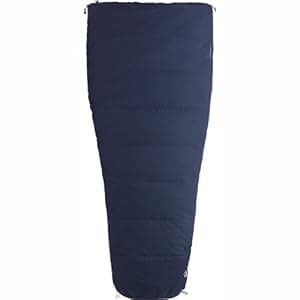 B004N5FL48 Availability: Currently unavailable Score: 9.901 Category: Sports Rating: 4.5 Votes: 4 Find similar productsMARMOT Winter-Sleeping-Bags Marmot Mavericks 20 Semi Rec Synthetic Sleeping Bag. Add pillow – will sleep! Just unpack this easygoing bag from its own compression stuff sack, and you’re set for a good night’s rest almost anywhere—from coastal range trailheads to high-desert chaparral. A durably water-resistant finish means you’ll never wake up soaked, and Marmot’s industry-leading know-how is visible in every detail. |
 B075MVWCX7 Availability: Currently unavailable Score: 9.804 Category: Sports Rating: 4.7 Votes: 3 Find similar productsThe North Face Homestead Twin 20F/-7C Sleeping Bag (Darkest Spruce Yosemite Sofa Print/Darkest Spruce, Regular/Right H.). The North Face Homestead Twin 20F/-7C Sleeping Bag (Darkest Spruce Yosemite Sofa Print/Darkest Spruce, Regular/Right H.). | 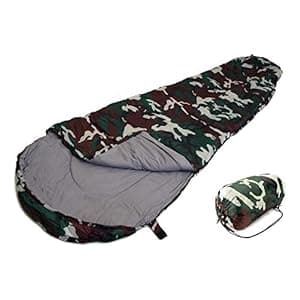 B008L0YTGC Availability: Currently unavailable Score: 9.615 Category: Sports Rating: 3.5 Votes: 13 Find similar productsSLEEPING BAG - MUMMY Type 8' Foot CAMOUFLAGE USA CAMMO 20+ Degrees Carry Bag NEW. BRAND NEW - Full Size CAMOUFLAGE!! Mummy Style Sleeping Bag Colors: - Front and Back: GREEN, BROWN, LIGHT GRAY, BLACK - Inside: GRAY Size: Full Size - 7ft x 2'4 dimensionThe size when packed the carry case is approx 15 x 9 inches and weighs approx 4# pounds. Shell: Polyester Lining: Polyester Filling: Polyester 150g/m2x2(two layer) Temperature rate: 20 degrees and above Excellent for outdoor camping or indoor sleep overs! Heavy duty sleeping bag that will keep you VERY warm in the cold! . |
 B0009J1F10 Availability: Currently unavailable Score: 9.524 Category: Sports Rating: 3.7 Votes: 4 Find similar productsSlumberjack Aurora 20 Degree Mummy Sleeping Bag (Regular, Right Zip). Amazon.com Sleep comfortably and warmly with the three-season Slumberjack Aurora mummy-style sleeping bag, which is temperature rated to 20 degrees Fahrenheit. The full-length draft tube keeps cold air from penetrating through the full-length, anti-snag zipper. It offers a double-layer offset construction with a differential cut that allows insulation to loft fully for maximum warmth. The flip-over hood allows you to turn the hood inside out, giving you the option for a flat hood or a fully contoured hood, while the trapezoid foot box provides space in which the feet remain in a natural position for better comfort. Other features include an adjustable storm collar and easy-grab pull tabs. The regular bag has a maximum user height of 5 foot, 11 inches; the long bag has a maximum height of 6 foot, 5 inches. It's filled with Polarguard 3D, which has a finer filament denier than standard Polarguard, making it softer and more compressible for added warmth. Unlike cut staple insulation, Polarguard 3D will not mat, clump or pull apart, eliminating the chances of thin or cold spots developing in the insulation. In an independent study of sleeping bags, comparing Polarguard 3D, down, and a premium cut staple insulation, down lost the most insulation. In testing wet sleeping bags, Polarguard 3D proved to be 12 percent warmer than cut staple, and 28 percent warmer than wet down. Why a Mummy Bag? Mummy-style sleeping bags take up less room and weigh the least. They're also smaller in size than rectangular bags, thus decreasing the amount of space around the body. The less space that needs to be warmed by body heat, the warmer the bag will be. Specifications--Regular: Size: 32 by 82 inches Size: 32 by 82 inches Carry size: 9 by 20 inches Carry size: 9 by 20 inches Fill weight: 2 pounds Fill weight: 2 pounds Carry weight: 3 pounds, 4 ounces Carry weight: 3 pounds, 4 ounces Shell: Polyester Honeycomb Ripstop Shell: Polyester Honeycomb Ripstop Liner: Polyester Taffeta Specifications--Long:Size: 34 by 86 inches Carry size: 9 by 20 inches Fill weight: 2 pounds, 9 ounces Carry weight: 3 pounds, 9 ounces Shell: Polyester Honeycomb Ripstop Liner: Polyester Taffeta About Slumberjack Slumberjack has been known as the outdoor sleep expert or for more than 50 years. They have built this reputation for being the best by building the finest quality sleeping systems in the world, while addressing the needs of virtually all market segments from backpacking and trekking to family camping and hunting and fishing. With over five decades of experience in the industry, Slumberjack has taught everyone that roughing it doesn't have to mean being uncomfortable. That's why their selection of sleeping bags, self-inflating mats, self-inflating chairs, camp furniture, bivy shelters, and accessories offers a choice for every season and a fit for nearly every size and shape.Amazon.com Sleeping Bag Guide Sleep Well: Finding the Right Sleeping Bag Sleeping bag technology has come a long way from the days of cowboy bedrolls. These days, there are a number of high-tech materials and designs available to keep you warm during the coldest outings. Here's a short list of things to keep in mind when you're shopping for a bag:Buy for Cold It's a safe bet that on at least one of your adventures, the nighttime temperature will drop unexpectedly. That's why it's smart to buy a bag that's rated for the lowest possible temperature you expect to face on your camping and backpacking trips. For summer trips, a bag rated at +35 degrees or higher will likely do the trick. If you like to camp in higher elevations in the summer, or if spring and fall outings are in your future, consider bags rated from +10 to +35. Winter adventurers should look for bags in the -10 to +10 range, while those on serious winter alpine climbs and expeditions will want a bag rated lower than -10. Keep in mind that sleeping bag manufacturers' temperature ratings only estimate the minimum temperature at which the bag will provide warmth. Take these numbers with a grain of salt, as different folks generate different amounts of heat when they sleep. If you're the type who likes to pile on the covers even on warmer nights, go for a bag that's rated ten degrees colder. The opposite is true for warm sleepers--a 35-degree bag will probably work for you on a 25-degree night.Goose or No Goose? The most important component of any sleeping bag is its insulating material. Modern sleeping bags offer two choices: goose down or synthetic. While both materials have advantages and disadvantages, down bags are considered superior because of their phenomenal warmth-to-weight and warmth-to-bulk ratios. While providing great insulation, down is extremely compressible and light. There's a reason why geese can fly and stay warm through the winter! Down also boasts great long-term durability and will typically retain its insulating properties after years of use. All of that said, there are many high-quality synthetic bags on the market and synthetic materials are getting better all the time. While a synthetic bag will weigh somewhat more than a down bag at an equivalent temperature rating, synthetic bags perform better when wet. (Yes, the Achilles heel of down is that it loses all insulating properties when wet.) If your trips take you to wet climates, you may want to consider a synthetic bag for this reason alone. Keep in mind, too, that many people are allergic to down--synthetic bags are non-allergenic. Finally, down is considerably more expensive than synthetic, which might tip the balance for adventurers on a budget.Bags for All Shapes Sleeping bags come in two basic shapes that reflect their intended use. Mummy-shaped bags offer the best warmth because they conform to the body's contours. This minimizes the amount of body heat the body must put out to maintain a constant temperature. Many mummy bags are offered in women-specific shapes and sizes, as well. Rectangular bags, while they do offer more room to toss and turn, are less thermally efficient because they contain more open air space. Also, they are typically heavier than mummy bags, and are generally not offered with down insulation, making them best suited for car camping or short backpacking trips.Pad Yourself No matter what kind of bag you choose, a sleeping pad is a required accessory. Not only do they provide much-needed comfort when sleeping on the ground, pads also offer crucial warmth for your backside, as the weight of your body compresses--and renders virtually useless--the sleeping bag insulation that lies beneath you. Liner: Polyester Taffeta Specifications--Long: Size: 34 by 86 inches Size: 34 by 86 inches Carry size: 9 by 20 inches Carry size: 9 by 20 inches Fill weight: 2 pounds, 9 ounces Fill weight: 2 pounds, 9 ounces Carry weight: 3 pounds, 9 ounces Carry weight: 3 pounds, 9 ounces Shell: Polyester Honeycomb Ripstop Shell: Polyester Honeycomb Ripstop Liner: Polyester Taffeta About Slumberjack Slumberjack has been known as the outdoor sleep expert or for more than 50 years. They have built this reputation for being the best by building the finest quality sleeping systems in the world, while addressing the needs of virtually all market segments from backpacking and trekking to family camping and hunting and fishing. With over five decades of experience in the industry, Slumberjack has taught everyone that roughing it doesn't have to mean being uncomfortable. That's why their selection of sleeping bags, self-inflating mats, self-inflating chairs, camp furniture, bivy shelters, and accessories offers a choice for every season and a fit for nearly every size and shape.Amazon.com Sleeping Bag Guide Sleep Well: Finding the Right Sleeping Bag Sleeping bag technology has come a long way from the days of cowboy bedrolls. These days, there are a number of high-tech materials and designs available to keep you warm during the coldest outings. Here's a short list of things to keep in mind when you're shopping for a bag:Buy for Cold It's a safe bet that on at least one of your adventures, the nighttime temperature will drop unexpectedly. That's why it's smart to buy a bag that's rated for the lowest possible temperature you expect to face on your camping and backpacking trips. For summer trips, a bag rated at +35 degrees or higher will likely do the trick. If you like to camp in higher elevations in the summer, or if spring and fall outings are in your future, consider bags rated from +10 to +35. Winter adventurers should look for bags in the -10 to +10 range, while those on serious winter alpine climbs and expeditions will want a bag rated lower than -10. Keep in mind that sleeping bag manufacturers' temperature ratings only estimate the minimum temperature at which the bag will provide warmth. Take these numbers with a grain of salt, as different folks generate different amounts of heat when they sleep. If you're the type who likes to pile on the covers even on warmer nights, go for a bag that's rated ten degrees colder. The opposite is true for warm sleepers--a 35-degree bag will probably work for you on a 25-degree night.Goose or No Goose? The most important component of any sleeping bag is its insulating material. Modern sleeping bags offer two choices: goose down or synthetic. While both materials have advantages and disadvantages, down bags are considered superior because of their phenomenal warmth-to-weight and warmth-to-bulk ratios. While providing great insulation, down is extremely compressible and light. There's a reason why geese can fly and stay warm through the winter! Down also boasts great long-term durability and will typically retain its insulating properties after years of use. All of that said, there are many high-quality synthetic bags on the market and synthetic materials are getting better all the time. While a synthetic bag will weigh somewhat more than a down bag at an equivalent temperature rating, synthetic bags perform better when wet. (Yes, the Achilles heel of down is that it loses all insulating properties when wet.) If your trips take you to wet climates, you may want to consider a synthetic bag for this reason alone. Keep in mind, too, that many people are allergic to down--synthetic bags are non-allergenic. Finally, down is considerably more expensive than synthetic, which might tip the balance for adventurers on a budget.Bags for All Shapes Sleeping bags come in two basic shapes that reflect their intended use. Mummy-shaped bags offer the best warmth because they conform to the body's contours. This minimizes the amount of body heat the body must put out to maintain a constant temperature. Many mummy bags are offered in women-specific shapes and sizes, as well. Rectangular bags, while they do offer more room to toss and turn, are less thermally efficient because they contain more open air space. Also, they are typically heavier than mummy bags, and are generally not offered with down insulation, making them best suited for car camping or short backpacking trips.Pad Yourself No matter what kind of bag you choose, a sleeping pad is a required accessory. Not only do they provide much-needed comfort when sleeping on the ground, pads also offer crucial warmth for your backside, as the weight of your body compresses--and renders virtually useless--the sleeping bag insulation that lies beneath you. Liner: Polyester Taffeta About Slumberjack Slumberjack has been known as the outdoor sleep expert or for more than 50 years. They have built this reputation for being the best by building the finest quality sleeping systems in the world, while addressing the needs of virtually all market segments from backpacking and trekking to family camping and hunting and fishing. With over five decades of experience in the industry, Slumberjack has taught everyone that roughing it doesn't have to mean being uncomfortable. That's why their selection of sleeping bags, self-inflating mats, self-inflating chairs, camp furniture, bivy shelters, and accessories offers a choice for every season and a fit for nearly every size and shape. Amazon.com Sleeping Bag Guide Sleep Well: Finding the Right Sleeping Bag Sleeping bag technology has come a long way from the days of cowboy bedrolls. These days, there are a number of high-tech materials and designs available to keep you warm during the coldest outings. Here's a short list of things to keep in mind when you're shopping for a bag: Buy for Cold It's a safe bet that on at least one of your adventures, the nighttime temperature will drop unexpectedly. That's why it's smart to buy a bag that's rated for the lowest possible temperature you expect to face on your camping and backpacking trips. For summer trips, a bag rated at +35 degrees or higher will likely do the trick. If you like to camp in higher elevations in the summer, or if spring and fall outings are in your future, consider bags rated from +10 to +35. Winter adventurers should look for bags in the -10 to +10 range, while those on serious winter alpine climbs and expeditions will want a bag rated lower than -10. Keep in mind that sleeping bag manufacturers' temperature ratings only estimate the minimum temperature at which the bag will provide warmth. Take these numbers with a grain of salt, as different folks generate different amounts of heat when they sleep. If you're the type who likes to pile on the covers even on warmer nights, go for a bag that's rated ten degrees colder. The opposite is true for warm sleepers--a 35-degree bag will probably work for you on a 25-degree night. Goose or No Goose? The most important component of any sleeping bag is its insulating material. Modern sleeping bags offer two choices: goose down or synthetic. While both materials have advantages and disadvantages, down bags are considered superior because of their phenomenal warmth-to-weight and warmth-to-bulk ratios. While providing great insulation, down is extremely compressible and light. There's a reason why geese can fly and stay warm through the winter! Down also boasts great long-term durability and will typically retain its insulating properties after years of use. All of that said, there are many high-quality synthetic bags on the market and synthetic materials are getting better all the time. While a synthetic bag will weigh somewhat more than a down bag at an equivalent temperature rating, synthetic bags perform better when wet. (Yes, the Achilles heel of down is that it loses all insulating properties when wet.) If your trips take you to wet climates, you may want to consider a synthetic bag for this reason alone. Keep in mind, too, that many people are allergic to down--synthetic bags are non-allergenic. Finally, down is considerably more expensive than synthetic, which might tip the balance for adventurers on a budget. Bags for All Shapes Sleeping bags come in two basic shapes that reflect their intended use. Mummy-shaped bags offer the best warmth because they conform to the body's contours. This minimizes the amount of body heat the body must put out to maintain a constant temperature. Many mummy bags are offered in women-specific shapes and sizes, as well. Rectangular bags, while they do offer more room to toss and turn, are less thermally efficient because they contain more open air space. Also, they are typically heavier than mummy bags, and are generally not offered with down insulation, making them best suited for car camping or short backpacking trips. Pad Yourself No matter what kind of bag you choose, a sleeping pad is a required accessory. Not only do they provide much-needed comfort when sleeping on the ground, pads also offer crucial warmth for your backside, as the weight of your body compresses--and renders virtually useless--the sleeping bag insulation that lies beneath you. |  B00170HY0Q Availability: Currently unavailable Score: 9.524 Category: Sports Rating: 4.5 Votes: 2 Find similar productsColumbia Queen Size Sleeping Bag. Columbia Yorkstone II, Queen size Sleeping Bag. |