E-commerce Search Demo
AI Assisted Filters
Parameters
Query:
Category filters: All
AI Assist: ON
Page: 1
Products
Time taken: 2 Max score: 1000.000 Total hits: 200 Full time: 0.0 s
Showing 1-10 of 200 products
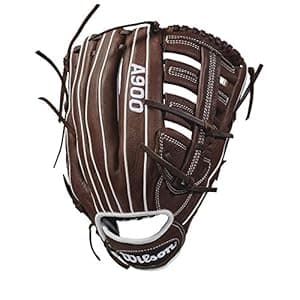 B073DD1TK7 Availability: Currently unavailable Score: 1000.000 Category: Sports Rating: 4.6 Votes: 1272 Find similar productsWilson A900 Baseball Glove Series. The new 12.5 A900 Baseball glove is made for young, advanced ball players looking to get an edge on the diamond. This model, available in a left- and right-hand throw, comes with a single post web and is perfect for covering ground in the outfield. Wilson A900 gloves are made with a cool, old-school look of dark brown leather and don't require any break-in period. Grounders, line drives and fly balls don't stand a chance with a glove that's ready when you are. |  B07FQYBLYF Availability: Currently unavailable Score: 14.925 Category: Sports Rating: 5 Votes: 5 Find similar productsWILSON A2K 1799 12.75 Outfield Baseball Glove - Right Hand Throw. At 12.75, MLB outfielders love the A2K 1799. The incredible length and deep pocket help them make plays and the new SuperSkin design gives them a lightweight glove perfect for running balls down in the alley. A reinforced dual post web gives this model great longevity, meaning it can be your gamer year after year. The A2K, Wilson's most premium series of baseball glove, is made with Pro Stock Select leather chosen for its consistency and flawlessness - the ideal leather for a glove. For the first time, the entire A2K line features SuperSkin - which is twice the strength and half the weight of traditional leather. Glove Master Craftsman Shigeaki Aso designs all gloves in the A2K line with Rolled Dual Welting to provide long-lasting shape. Double palm construction lends added pocket stability and extra shaping from our craftsmen so all A2Ks break in quicker and last longer. |
 B00DGQQ3JC Availability: Currently unavailable Score: 12.821 Category: Sports Rating: 3.6 Votes: 8 Find similar productsWilson A1K 11.75 Pitcher/Outfield Baseball Glove. Wilson's all new A1K series takes the patterns and construction used for the pros' gloves and updates them to offer a more snug fit- just like Dustin Pedroia prefers. The A1K features the DP 15 Fit which includes a smaller wrist opening an narrower finger stalls along with other updates. Jet Black Top Shelf leather and Gunmetal embroidery make for a glove that looks as good as it feels. |  B002MTEK3A Availability: Currently unavailable Score: 12.500 Category: Sports Rating: 5 Votes: 1 Find similar productsWilson A2000 12 Reinforced Dual-Post Web Superskin Baseball Glove. Product Description In 1957,Wilson engineers went to Spring training to find out what players wanted in a glove. That year the first player designed glove, the Wilson A2000 was born. The A2000 featured a deeper pocket, wider web and a stiffer thumb, revolutionary designs that changed the game. Five decades later the A2000 continues to evolve featuring Pro Stock leather, known for its rugged durability and consistent performance and dual-welting for a stable, long lasting pocket. Wilson-The Official Ball Glove of Major League Baseball. For generations, established veterans and future stars alike have joined the Wilson Advisory Staff to represent the brand and advise Wilson R & D in product development. This partnership with the game's best players has made Wilson the most coveted brand in baseball as well as a true American icon. Which is why Major League Baseball's brightest stars, from Ernie Banks to David Wright, have always trusted their game to Wilson. Over 50 years ago, Wilson forever changed baseball with the creation of the first glove designed to meet the pplayer's needs-the A2000. Dedicated to innovation, Wilson continues to create ball gloves that help turn players into pros. Wilson is the most trusted name among legendary players and futrue All Stars. Buying Guide Amazon.com Baseball and Softball Glove Guide Playing the Field Baseball and softball gloves are specially designed to suit the needs of a given field position, with each style of glove boasting unique features to improve a player's performance at his or her position. The following is a brief summary of each glove's characteristics: Catcher: No finger channels, with heavy palm padding and overall reinforcements to reduce the sting of repeatedly catching pitchers' throws Catcher: No finger channels, with heavy palm padding and overall reinforcements to reduce the sting of repeatedly catching pitchers' throws First Base: Also lacks finger channels, but with less padding that a catcher's mitt, with added length to help catch infield throws and shallow pocket, enabling quick ball retrieval First Base: Also lacks finger channels, but with less padding that a catcher's mitt, with added length to help catch infield throws and shallow pocket, enabling quick ball retrieval Infield: Five-fingered glove has shallow pocket for fast ball retrieval, with nine- to 10-inch youth sizes and 10.5- to 11.5-inch adult sizes, and softball infield gloves having a deeper pocket to accept the larger ball Second base players require smaller gloves to balance control with the need to make quick throws Shortstops use a mid-sized glove for ground balls and quick throws Third base players need a larger glove for maximum catching power Outfield: Glove is longer to provide extended reach, with a deep pocket to handle high-lofting balls, and sizes range from 12 inches and up for adults and 11 inches for youth players Softball Gloves: The characteristics, by position, of softball gloves are typically similar to their baseball counterparts, with softball gloves having more length and deeper pockets to handle the larger ball Anatomy of a Glove Gloves are designed to perform a relatively simple task--catch a ball. The quality of materials and craftsmanship that can go into a building a glove, however, can be surprising. Below is an overview of a glove's components and how each helps optimize your defensive game: Pocket: Pocket depth is determined by player position, with shallower pockets helping infielders quickly retrieve and throw the ball, and outfielders' pocket depth aiding in capturing a ball on the fly. Softball players also need deeper pockets to catch the larger ball. Webbing: The preferred webbing pattern is partly determined by field position and partly by player preference. Generally, open webbing helps infielders quickly retrieve the ball, closed or tightly woven webbing gives outfielders and third basemen extra support, and closed webbing allows pitchers to hide the ball from the batter. Backs: The back of a glove, or the part that goes across the top of your hand, can either be closed or open, which is largely a matter of player preference. Some infielders find an open back to be more flexible and forgiving, while outfielders may like a closed back with finger hole for added support. Wrist Adjustment: Some gloves include fit systems, or wrist adjustments, to help keep the glove tightly affixed to a player's hand. The most popular closures are buckles, D-rings, lacing, and Velcro. Padding: How padded a glove's pocket is depends on position, with catcher being the most heavily padded. In recent years, many manufacturers have begun to add padding to other position gloves to reduce palm shock. Materials: By and large, gloves are constructed using one of three materials--leather, treated leather, or synthetic--with the differences relating to feel and durability. Leather: Most high-end gloves are made of leather, which offers optimal feel and durability, with leather quality being a significant cost driver Treated Leather: Leather material is softened and strengthened during production for quicker break-in, better durability, and lower maintenance Synthetic: A lower-cost alternative to leather that offers reduced durability and responsiveness, and is a good option for beginning players Fits Like a... As mentioned above, age and position are the most significant factors in selecting a proper glove size. Outfielders need larger gloves with deeper pockets for maximum catchability, while infield gloves are smaller and have shallower pockets for optimal control and speedy ball removal. Some pitchers opt for infield gloves that are slightly larger than standard, yet small and shallow enough for rapid fielding and throwing. Most younger players will benefit from youth-sized gloves that help with control, and it's a good idea to resist the temptation to buy a larger glove the child will grow into. The tables below offer a general guideline for proper glove size by sport, position, and age. Baseball Glove Size Age Position Glove Size Under 8 Infield 9 Under 8 Outfield 11 9-13 Infield 9-10 9-13 Outfield 11-12 13 and older Infield 10.5-11.5 13 and older Outfield 12-12.75 Softball Glove Size Age Position Glove Size 6 and under All 9-10 7-9 All 10-11.5 10-14 Infield 11.5-12.5 10-14 Outfield 12-13 15 and older Infield 12-13 15 and older Outfield 12.5-14 Infield: Five-fingered glove has shallow pocket for fast ball retrieval, with nine- to 10-inch youth sizes and 10.5- to 11.5-inch adult sizes, and softball infield gloves having a deeper pocket to accept the larger ball Second base players require smaller gloves to balance control with the need to make quick throws Second base players require smaller gloves to balance control with the need to make quick throws Shortstops use a mid-sized glove for ground balls and quick throws Shortstops use a mid-sized glove for ground balls and quick throws Third base players need a larger glove for maximum catching power Third base players need a larger glove for maximum catching power Outfield: Glove is longer to provide extended reach, with a deep pocket to handle high-lofting balls, and sizes range from 12 inches and up for adults and 11 inches for youth players Outfield: Glove is longer to provide extended reach, with a deep pocket to handle high-lofting balls, and sizes range from 12 inches and up for adults and 11 inches for youth players Softball Gloves: The characteristics, by position, of softball gloves are typically similar to their baseball counterparts, with softball gloves having more length and deeper pockets to handle the larger ball Anatomy of a Glove Gloves are designed to perform a relatively simple task--catch a ball. The quality of materials and craftsmanship that can go into a building a glove, however, can be surprising. Below is an overview of a glove's components and how each helps optimize your defensive game: Pocket: Pocket depth is determined by player position, with shallower pockets helping infielders quickly retrieve and throw the ball, and outfielders' pocket depth aiding in capturing a ball on the fly. Softball players also need deeper pockets to catch the larger ball. Webbing: The preferred webbing pattern is partly determined by field position and partly by player preference. Generally, open webbing helps infielders quickly retrieve the ball, closed or tightly woven webbing gives outfielders and third basemen extra support, and closed webbing allows pitchers to hide the ball from the batter. Backs: The back of a glove, or the part that goes across the top of your hand, can either be closed or open, which is largely a matter of player preference. Some infielders find an open back to be more flexible and forgiving, while outfielders may like a closed back with finger hole for added support. Wrist Adjustment: Some gloves include fit systems, or wrist adjustments, to help keep the glove tightly affixed to a player's hand. The most popular closures are buckles, D-rings, lacing, and Velcro. Padding: How padded a glove's pocket is depends on position, with catcher being the most heavily padded. In recent years, many manufacturers have begun to add padding to other position gloves to reduce palm shock. Materials: By and large, gloves are constructed using one of three materials--leather, treated leather, or synthetic--with the differences relating to feel and durability. Leather: Most high-end gloves are made of leather, which offers optimal feel and durability, with leather quality being a significant cost driver Treated Leather: Leather material is softened and strengthened during production for quicker break-in, better durability, and lower maintenance Synthetic: A lower-cost alternative to leather that offers reduced durability and responsiveness, and is a good option for beginning players Fits Like a... As mentioned above, age and position are the most significant factors in selecting a proper glove size. Outfielders need larger gloves with deeper pockets for maximum catchability, while infield gloves are smaller and have shallower pockets for optimal control and speedy ball removal. Some pitchers opt for infield gloves that are slightly larger than standard, yet small and shallow enough for rapid fielding and throwing. Most younger players will benefit from youth-sized gloves that help with control, and it's a good idea to resist the temptation to buy a larger glove the child will grow into. The tables below offer a general guideline for proper glove size by sport, position, and age. Baseball Glove Size Age Position Glove Size Under 8 Infield 9 Under 8 Outfield 11 9-13 Infield 9-10 9-13 Outfield 11-12 13 and older Infield 10.5-11.5 13 and older Outfield 12-12.75 Softball Glove Size Age Position Glove Size 6 and under All 9-10 7-9 All 10-11.5 10-14 Infield 11.5-12.5 10-14 Outfield 12-13 15 and older Infield 12-13 15 and older Outfield 12.5-14 Softball Gloves: The characteristics, by position, of softball gloves are typically similar to their baseball counterparts, with softball gloves having more length and deeper pockets to handle the larger ball Anatomy of a Glove Gloves are designed to perform a relatively simple task--catch a ball. The quality of materials and craftsmanship that can go into a building a glove, however, can be surprising. Below is an overview of a glove's components and how each helps optimize your defensive game: Pocket: Pocket depth is determined by player position, with shallower pockets helping infielders quickly retrieve and throw the ball, and outfielders' pocket depth aiding in capturing a ball on the fly. Softball players also need deeper pockets to catch the larger ball. Pocket: Pocket depth is determined by player position, with shallower pockets helping infielders quickly retrieve and throw the ball, and outfielders' pocket depth aiding in capturing a ball on the fly. Softball players also need deeper pockets to catch the larger ball. Webbing: The preferred webbing pattern is partly determined by field position and partly by player preference. Generally, open webbing helps infielders quickly retrieve the ball, closed or tightly woven webbing gives outfielders and third basemen extra support, and closed webbing allows pitchers to hide the ball from the batter. Webbing: The preferred webbing pattern is partly determined by field position and partly by player preference. Generally, open webbing helps infielders quickly retrieve the ball, closed or tightly woven webbing gives outfielders and third basemen extra support, and closed webbing allows pitchers to hide the ball from the batter. Backs: The back of a glove, or the part that goes across the top of your hand, can either be closed or open, which is largely a matter of player preference. Some infielders find an open back to be more flexible and forgiving, while outfielders may like a closed back with finger hole for added support. Backs: The back of a glove, or the part that goes across the top of your hand, can either be closed or open, which is largely a matter of player preference. Some infielders find an open back to be more flexible and forgiving, while outfielders may like a closed back with finger hole for added support. Wrist Adjustment: Some gloves include fit systems, or wrist adjustments, to help keep the glove tightly affixed to a player's hand. The most popular closures are buckles, D-rings, lacing, and Velcro. Wrist Adjustment: Some gloves include fit systems, or wrist adjustments, to help keep the glove tightly affixed to a player's hand. The most popular closures are buckles, D-rings, lacing, and Velcro. Padding: How padded a glove's pocket is depends on position, with catcher being the most heavily padded. In recent years, many manufacturers have begun to add padding to other position gloves to reduce palm shock. Padding: How padded a glove's pocket is depends on position, with catcher being the most heavily padded. In recent years, many manufacturers have begun to add padding to other position gloves to reduce palm shock. Materials: By and large, gloves are constructed using one of three materials--leather, treated leather, or synthetic--with the differences relating to feel and durability. Leather: Most high-end gloves are made of leather, which offers optimal feel and durability, with leather quality being a significant cost driver Treated Leather: Leather material is softened and strengthened during production for quicker break-in, better durability, and lower maintenance Synthetic: A lower-cost alternative to leather that offers reduced durability and responsiveness, and is a good option for beginning players Fits Like a... As mentioned above, age and position are the most significant factors in selecting a proper glove size. Outfielders need larger gloves with deeper pockets for maximum catchability, while infield gloves are smaller and have shallower pockets for optimal control and speedy ball removal. Some pitchers opt for infield gloves that are slightly larger than standard, yet small and shallow enough for rapid fielding and throwing. Most younger players will benefit from youth-sized gloves that help with control, and it's a good idea to resist the temptation to buy a larger glove the child will grow into. The tables below offer a general guideline for proper glove size by sport, position, and age. Baseball Glove Size Age Position Glove Size Under 8 Infield 9 Under 8 Outfield 11 9-13 Infield 9-10 9-13 Outfield 11-12 13 and older Infield 10.5-11.5 13 and older Outfield 12-12.75 Softball Glove Size Age Position Glove Size 6 and under All 9-10 7-9 All 10-11.5 10-14 Infield 11.5-12.5 10-14 Outfield 12-13 15 and older Infield 12-13 15 and older Outfield 12.5-14 Materials: By and large, gloves are constructed using one of three materials--leather, treated leather, or synthetic--with the differences relating to feel and durability. Leather: Most high-end gloves are made of leather, which offers optimal feel and durability, with leather quality being a significant cost driver Leather: Most high-end gloves are made of leather, which offers optimal feel and durability, with leather quality being a significant cost driver Treated Leather: Leather material is softened and strengthened during production for quicker break-in, better durability, and lower maintenance Treated Leather: Leather material is softened and strengthened during production for quicker break-in, better durability, and lower maintenance Synthetic: A lower-cost alternative to leather that offers reduced durability and responsiveness, and is a good option for beginning players Fits Like a... As mentioned above, age and position are the most significant factors in selecting a proper glove size. Outfielders need larger gloves with deeper pockets for maximum catchability, while infield gloves are smaller and have shallower pockets for optimal control and speedy ball removal. Some pitchers opt for infield gloves that are slightly larger than standard, yet small and shallow enough for rapid fielding and throwing. Most younger players will benefit from youth-sized gloves that help with control, and it's a good idea to resist the temptation to buy a larger glove the child will grow into. The tables below offer a general guideline for proper glove size by sport, position, and age. Baseball Glove Size Age Position Glove Size Under 8 Infield 9 Under 8 Outfield 11 9-13 Infield 9-10 9-13 Outfield 11-12 13 and older Infield 10.5-11.5 13 and older Outfield 12-12.75 Softball Glove Size Age Position Glove Size 6 and under All 9-10 7-9 All 10-11.5 10-14 Infield 11.5-12.5 10-14 Outfield 12-13 15 and older Infield 12-13 15 and older Outfield 12.5-14 Synthetic: A lower-cost alternative to leather that offers reduced durability and responsiveness, and is a good option for beginning players Fits Like a... As mentioned above, age and position are the most significant factors in selecting a proper glove size. Outfielders need larger gloves with deeper pockets for maximum catchability, while infield gloves are smaller and have shallower pockets for optimal control and speedy ball removal. Some pitchers opt for infield gloves that are slightly larger than standard, yet small and shallow enough for rapid fielding and throwing. Most younger players will benefit from youth-sized gloves that help with control, and it's a good idea to resist the temptation to buy a larger glove the child will grow into. The tables below offer a general guideline for proper glove size by sport, position, and age. Baseball Glove Size Age Position Glove Size Under 8 Infield 9 Under 8 Outfield 11 9-13 Infield 9-10 9-13 Outfield 11-12 13 and older Infield 10.5-11.5 13 and older Outfield 12-12.75 Softball Glove Size Age Position Glove Size 6 and under All 9-10 7-9 All 10-11.5 10-14 Infield 11.5-12.5 10-14 Outfield 12-13 15 and older Infield 12-13 15 and older Outfield 12.5-14. |
 B01J2GC8P2 Availability: Currently unavailable Score: 12.346 Category: Sports Rating: 4.4 Votes: 5 Find similar productsEaston Prime Series Pme1275 Bkmo Right Hand Throw 12.75 in Outfield Pattern. Easton new Prime Baseball gloves combine craftsmanship and innovation in a design that provides durability, comfort and performance. The tumbled Buffalo leather is tanned soft and game-ready for easy break-in, and Easton unique VRS palm pad reduces sting and increases comfort when fielding hot shots all over the field. These gloves utilize full-grain leather laces for long-lasting performance. The 1275Bkmo 8054673 has a 12.75 inch outfield pattern and traditional woven design for outfielders. |  B01I5D6HOQ Availability: Currently unavailable Score: 11.905 Category: Sports Rating: 4.5 Votes: 926 Find similar productsWilson A360 Baseball Glove Series. The a360 is designed for the development of the youth ballplayer. With a full pigskin leather palm, as well as a hook a loop strap, this glove helps young ballplayers' gloves feel secure in their hand while also giving them a professional feel. |
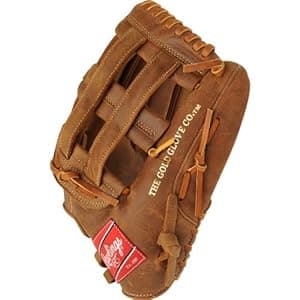 B0045DES6A Availability: Currently unavailable Score: 11.628 Category: Sports Rating: 4.3 Votes: 7 Find similar productsRawlings Player Preferred Series PP140R Ball Glove. PP140R Hand Orientation: Left Hand Throw This Player Preferred Series Baseball/Softball model features the PRO H Web pattern, which was designed so that outfielders could see through the web to make catches and shield their eyes from the sun or lights at the same time. With its 14 pattern and deep pocket, this glove is perfect for the outfield positions. The Player Preferred series is designed with full, deep patterns. The specially tanned retro leather gives the appearance of a glove that has played in many games. Additional performance features include Flex Loop custom fitting back designs, Zero Shock palm pads, and Speed Trap heel cut outs. Features: -Features PRO H web pattern - outfielders can see through the web to make catches and shield their eyes from the sun or lights at the same time. -14 Inch pattern and deep pocket. -Full grain leather lace. -Specially tanned retro leather gives appearance of glove that has played in many games. -Flex Loop custom fitting back designs. -Zero Shock palm pads. -Steep trap heel cut outs. |  B07G5WHS7Q Price: $99.95 Score: 11.494 Category: Sports Rating: 4.5 Votes: 62 Find similar productsEaston Ghost Fastpitch Series Baseball Glove. Easton GH1200FP Ghost 12 Inch Fastpitch Glove: A130548 Easton?s new Ghost Fastpitch Series was built for performance at every position. The gloves are crafted with Premium Steer? leather with a supple leather lining for added comfort and feel. The extra strength rawhide laces reinforce durability, improving the glove?s longevity. Fastpitch specific patterns, with smaller hand openings for softball players, provide a tighter and more secure fit for better control while making those big plays. Premium USA steer hide leather Premium USA steer hide leather Professional style, position specific fastpitch patterns Professional style, position specific fastpitch patterns Smaller hand openings for a tighter fit and more control Smaller hand openings for a tighter fit and more control Extra Strength rawhide laces provide extra pocket durability Extra Strength rawhide laces provide extra pocket durability 12 Infield Pattern 12 Infield Pattern Split Woven Web Web Split Woven Web Web Available to wear on left and right hand Available to wear on left and right hand. |
 B0093W3ZLW Availability: Currently unavailable Score: 11.236 Category: Sports Rating: 5 Votes: 2 Find similar productsLouisville Slugger Omaha Flare Baseball Glove (11.5-inch). The new Omaha Flare series of ball gloves features the top grade, oil treated cowhide for a soft, light weight feel and provides a long lasting shape. The Flare design of the thumb and pinkie provides a flatter, wider pocket and a larger catching surface for the player looking for a quicker release or an easier catching glove. The Flare series was designed by top pro and college players and also features extra wide dye through lacing for added durability. Pro baseball patterns. Omaha Flare gives you the Flare feature at a great value. We exist to make players great. |  B005MJ80PQ Availability: Currently unavailable Score: 11.111 Category: Sports Rating: 4.5 Votes: 20 Find similar productsWilson A2000 1788 11.25 Infield Baseball Glove. The Wilson® A2000® enters its 55th year of game changing performance. The A2000 is constructed from world-famous Pro Stock™ leather, which is the secret to its unmatched lifespan. Wilson's exclusive MLB® Game Models have the same tweaks and refinements demanded by the player that developed the glove. The next time you see Evan Longoria, Dustin Pedroia, Brian Wilson, Cat Osterman or Josh Hamilton, be sure to thank them for making your glove as good as theirs. The differences these players have made on your glove isnÕt done justice by words. All you need to do is put it onÑyouÕll understand at once. Millions of hours of engineers, ballplayers, and craftsmen working together to put their passion right in the palm of your hand. PRO STOCK™ LEATHER: American Steerhide prized by professional players for its rugged durability and unmatched feel. The perfect ball glove leather. DUAL-WELTING™: The exposed edges of leather along each finger backÑwe do this twice on each finger to provide the most durable pocket and long lasting break in. PRO STOCK™ PATTERNS: Exclusive hand designed patterns continuously improved by Aso-san and the Wilson® Advisory Staff year after year. DRI-LEX®: Ultra-breathable wrist lining transfers moisture from the skin, keeping your hand cool and dry. H-web H-web 2X laced web base 2X laced web base Worn on the left hand for the right handed thrower Worn on the left hand for the right handed thrower. |